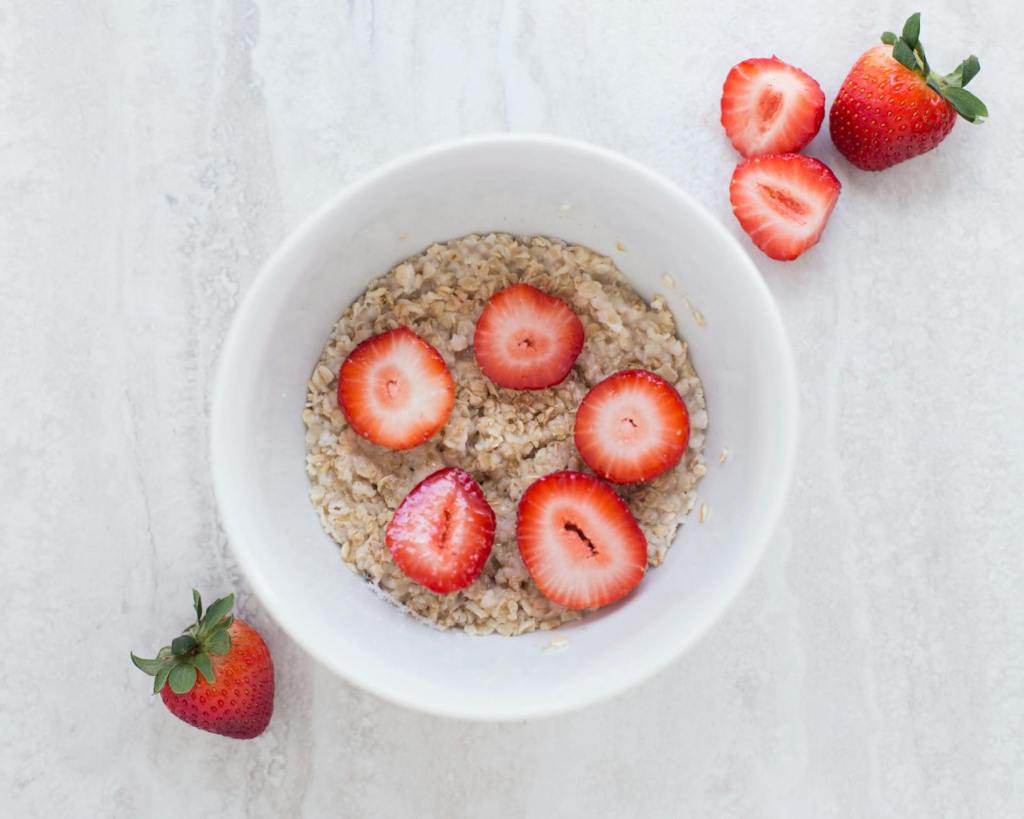
I have a confession to make:
I didn’t have porridge for breakfast this morning.
More to the point, I haven’t done so for at least two years. Regardless this shocking revelation, I have proceeded to train most days, and am yet to notice any particular disadvantage as a result of not being a regular consumer of this holy grail of gym breakfasts.
With records of humans consuming the dish dating back to 32,000 years ago, porridge in its most basic form is simply oats cooked in some kind of liquid. Inevitably, gym goers have pimped up this traditional breakfast to include protein powder (hence the term ‘proats’). Typical toppings may take the form of nut butters, yogurt and fruit, with those seeking maximum nutritional benefit from their meal spicing things up with chia seeds, cocoa nibs, goji berries, maca powder, and a whole host of other ‘superfood’ ingredients.
As healthy and wholesome as this sounds, oats just aren’t for me.
What’s the hype?
It goes without saying that the principal ingredient in a bowl of ‘proats’ is oats. Vitamin rich, packed with fibre, and affordable, they are little pockets of power. What’s more, they contain around 70g of complex carbs per 100g, which the human body is primed to break down into glucose – its preferred source of workout fuel.
Their high fibre content not only helps to ‘get things moving’ through the gut, but also means that oats take longer to digest than simple sugars such as white rice. Consequently, they provide a more sustained source of energy, and may help keep a blood sugar spike at bay.
Its easy to see how this magical, cholesterol lowering, super-grain has become so popular with gym rats. A source of both protein and carbs, minimally processed nutrient dense, and flexible in a whole range of areas. Ideal.
For example, a 40g portion of oats made with water, and adorned with a few frozen berries would clock up under 200 calories for the dieting individual in search of lean pre-workout energy. Equally, a chunky 100g portion stewed with whole milk, protein powder and topped with generous helpings of peanut butter and banana could easily pack in around 1000. The net effect of this adaptability is that porridge has earned itself a reputation as the best friend of bulkers and cutters alike.
In addition to this, ‘overnight’ variations, pre-portioned microwavable sachets, and ‘just add water’ pots, have made oats the ultimate convenience food for busy beans seeking rapid fuel sources, without sacrificing quality nutrition.
Lets face it, it would be hard to claim that oats are a ‘bad’ breakfast choice.
Its a me problem
My issue with oats begins with my rumbly tummy. There have been countless mornings where I’ve attempted to embody the oat enthusiasts who’s posts pepper my ‘For You’ page. I’ve tenderly stirred my concoction over the stove, before adding a variety of wholesome toppings, all of which should supposedly keep me fuelled until lunchtime. Despite more than doubling portion sizes, and supplementing my creation with numerous sources of healthy fats and protein, porridge just doesn’t seem to fill the gap. By 10.30 I’ve felt light headed and desperately in need of a snack.
My next gripe is with the idea of oats as a pre-training meal. Regardless of following guidelines about leaving digestion time between oat consumption and hitting the gym, then topping up carb stores with a snack. I have found myself feeling both nauseous and under-fuelled when training on porridge, with the situation worsening further when it comes to running…
Theoretically, this carby concoction should be the ideal fuel for miles on my feet. Fans of this fare swear by its ability to provide steady yet powerful energy and keep their legs ticking through the kilometres, whilst being gentle on their stomach. For me, porridge is a one way ticket to a mid run squat on the side of the road.
I don’t know if its the soupy consistency, or the high fibre content, but oats are most definitely a pre-run no go for me.
On a more superficial level, I simply don’t find oats inspiring. Don’t get me wrong, the artistically decorated cosy bowls of goodness that Instagram likes to spoil me with look extremely attractive, but in reality, no matter how much time I spend trying to make my oats look pretty (and tasty), the result is underwhelming to both my eyes and my palette. I’m usually bored and unsatisfied by the end of the bowl.
Are there adequate alternatives?
The beautifully balanced combination of carbs, fats and protein contained in a well topped bowl of ‘proats’, has lead to them becoming the golden girl of bodybuilding brekkies. Surely, though, there must be other ways of formulating a nutritious meal?
- Revamp your cheerios
The ‘healthiness’ of cereals can vary dramatically between brands and varieties. A large bowl of your childhood favourite Frosties may be packed full of nostalgia… as well as 9 teaspoons of sugar. Consequently, they may not be the optimal choice for balancing blood sugar. Cereal are more processed than pure oatmeal, but not all types are as stacked full of the sweet stuff…
Low sugar, wholegrain options, such as Wholegrain Cheerios (my personal fave), can actually provide a perfectly healthy basis for a meal. 100g of these happy hoops contains 9.6g of fibre, and 378 calories. These statistics are remarkably similar to those for the same quantity of oats, which offer 10.6g of fibre, and 379 cals.
For protein pilgrims, an ideal accompaniment would be some greek style yogurt. Albeit some yogs can be rife with added sugars, sweeteners and artificial flavourings, ‘natural’ or ‘greek’ labelled dairy products tend to be pretty darn healthy. Additional benefits include calcium, magnesium, and probiotics, which when combined with the whopping 10.3g of protein per 100g (Fage 0%) make greek yogurt a gym junkie’s best friend. You could even whisk in protein powder if on a quest for extra gains.
This bowl of Cheerios and yogurt can be further enhanced with all the same superfoods as porridge, making it, in my opinion, just as good for you.
Interestingly, however, it may be worth going easy on the granola. Despite having a reputation for being ‘healthy’, it can be much higher in sugar, fat and calories than one would think. Additionally, they can be pretty pricey.
2. Top your toast
Bread has been utterly demonised by the fitness industry in recent years, particularly the sliced white stuff which thousands of us crave warmed up with a good slathering of butter. Despite this, bread will always be a go to for anyone fuelling on a budget, with a basic loaf from Tesco coming in at just 45p (£0.06 per 100g)!
Wholegrain toast is rich in fibre, high in carbs, and fortified with iron. So, when topped with a protein and a fat source, such as eggs and avocado, or even cheese, (shock horror) it makes for a beautifully balanced breakfast, which can be ready in a matter of minutes.
Bougie sourdough breads may have even more benefits, especially for those sensitive to gluten, thanks to the use of wild yeast making it easier to digest than the average supermarket loaf. They are not quite so easy on the pocket, however, costing around four times as much as the bog-standard stuff.
3. Go savoury
Breakfast for dinner is perfectly acceptable, so why not dinner for breakfast?
It may sound a little wacky, but in reality there is nothing wrong with eating foods such as wholegrain rice, chicken breast, and broccoli for breakfast if they take your fancy. Its important to remember that your body won’t be able to tell the difference between eating sweet potato for at 9am, or at 7pm.
There is a huge range of options, from quinoa porridge, to breakfast tacos, all of which offer just as balanced a nutritional profile as your peanut butter and banana porridge.
Many nutritionists swear by a savoury, protein rich brekky, rather than a sweet one, arguing that the less conventional dishes can help balance energy levels, curb cravings throughout the day, and provide an opportunity to pack in probiotics and several portions of fruit and veg first thing in the morning.
Eggs, chicken, almonds, avocado, and veggies such as spinach, asparagus and kale all make for wonderful additions. Personally, I would opt for the following;
Wholegrain rice (likely from a microwave packet), a pre cooked steamed salmon fillet, some roasted peppers and courgettes, and perhaps even a spoonful of kimchi. This would serve up over 25g of protein, two of my 5-a-day, some omega 3s, fibre, vitamin d, and probiotics from the funky addition of kimchi. Not only this, but it could easily be meal prepped, and further boosted with some eggs, avocado or anything else lying around in the fridge.
Savoury breakfasts don’t even have to be anything this radical, baked beans, bacon medallions, and omelettes are perfectly acceptable too.
The Lo-at Down
Overall, oats probably make for a fab first meal. If you go to bed dreaming of your morning bowl of cosy goodness, then there’s probably no need to change anything. However, if you’re craving something different, don’t be afraid to stray away from the grain – you won’t necessarily be sacrificing any gains!



 The Sprightly Spud
Leave a comment