
For many women, our monthly menstrual cycle could be described as, quite frankly, an inconvenience. This burden is even more prevalent for female athletes. We want to run at 100 miles per hour, every day of the month, so painful cramps and (occasionally dramatic) bleeding are never ideal.
Despite this, freelance nutritionist, Hannah Whiteley, is determined to change our outlook towards periods.
Hypothalamic Amenhorrea, which Han eloquently defined as “a condition characterised by a missing period due to the dysfunction of the hypothalamus” affects around 17.4 million women worldwide, with female athletes bearing the brunt of this statistic. Contrary to popular belief, it is not always the result of disordered eating habits, and therefore may not seem like too much of an issue. Whitely, however, is keen to reinforce that HA is “more than a missing bleed”…
Trust the Expert
As an international athlete, representing Scotland in Lacrosse, Hannah Whitely understands better than anyone the importance of a healthy menstrual cycle. After earning her BSc in Applied Sports Science, she found that her passion for sport lied mostly in the context of nutrition and ergogenic aids. This discovery compelled her to begin an MSc in Nutrition in 2019, which she finished in 2020, graduating, in her own words “Covid Style”.
Armed with her qualifications, Han began a nutrition career specialising in childhood obesity, but soon her passion for athletics lead to a switch of pathways, and she went freelance, with the aim of helping sportswomen reach their full potential through effective nutrition. It was working in this field that gave her insight into the knowledge gap surrounding female athletes losing their period, “I didn’t go out looking for this specialty, it quite literally found me!”, says Hannah.
The Roots of The Issue
‘Stress’ is the key word when hunting the cause of HA, it seems. Hannah described any factor that “makes the brain think that it needs to prioritise all energy coming in towards only the essential processes for survival” as a risk factor for losing a period. She elaborated that this could include under-eating, over-exercising, or any other form of psychological stress. An imbalance in energy intake and output (a common occurrence in athletes pounding through brutal training sessions on a daily basis) results in what the nutritionist calls “low-energy availability”, putting the body in a state where it simply doesn’t have the fuel for “non-essential processes”. This it what induces the loss of period, poor thermoregulation, and dodgy digestion that characterise HA.
So, What’s the Problem?
Firstly, an absent period is indicative of ‘anovulation’. Unsurprisingly, a lack of fertilisable eggs isn’t conducive to healthy fertility, putting the chance of conceiving a child close to zero. The good news, Hannah reassures, is that this is reversible.
Next on the list of potential side effects is low bone density. No period means very little oestrogen is floating round the body, a key hormone in maintaining strong bones, and enduring cases of HA may result in osteoporosis. This could act as a detriment to any woman’s lifestyle, but for athletes, a severe break could even be career ending.
Oestrogen’s roles in the body go far beyond bleeding and bones. Cardiovascular health, and the prevention of cardiovascular disease (CVD), are also vital functions of this nye-on magical hormone. HA has the potential to cause high or low lipid profiles, subsequently increasing the chance of developing CVD by up to 50%.
Additional HA induced problems lie in its cause, and its prevention is a textbook case of protecting mental health, in order to preserve physical. Aside from an training and fuelling imbalance, psychological stress is a key contributing factor to HA, hence why switching HIIT for a bubble bath every now and then could elicit even more benefits than a post soak glow.
The Solution
Unlike with many conditions, healing HA is often a case of a making your life easier;
Rest, training well fuelled and “carbs, carbs, carbs!”, were Whiteley’s three pillars of period recovery. This said, her first nugget of wisdom for HA sufferers was to seek professional advice.
“A specialist in the field of female health” will be key in identifying the underlying cause of HA, and essential in supporting you on your recovery journey, “taking the guess work out” of the healing process.
Pivotally, the aim is to remove the stress factors, whether they are nutritional, psychological, or induced by excessive training, that have lead to a missing period, a journey which will vary in length and difficulty between each individual. Generally, this will look like fewer training sessions, reducing exercise intensity, and more food – especially carbs. Its essential for female athletes to remember that slowing down now may be vital to achieving a healthy body, and all your wildest future fitness fantasies.

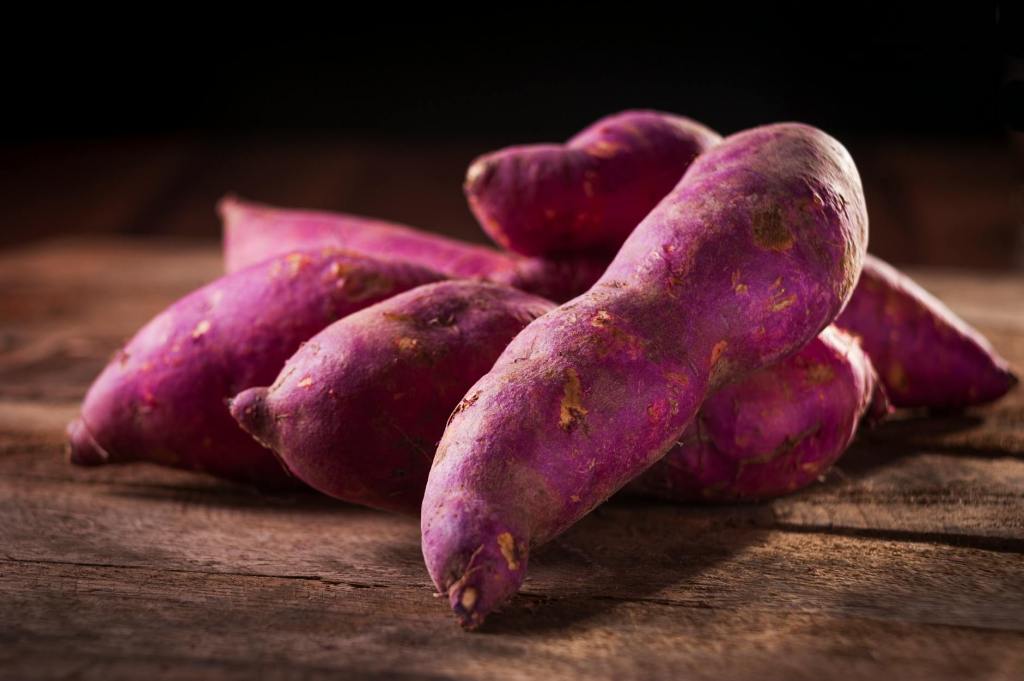
 The Sprightly Spud
Leave a comment