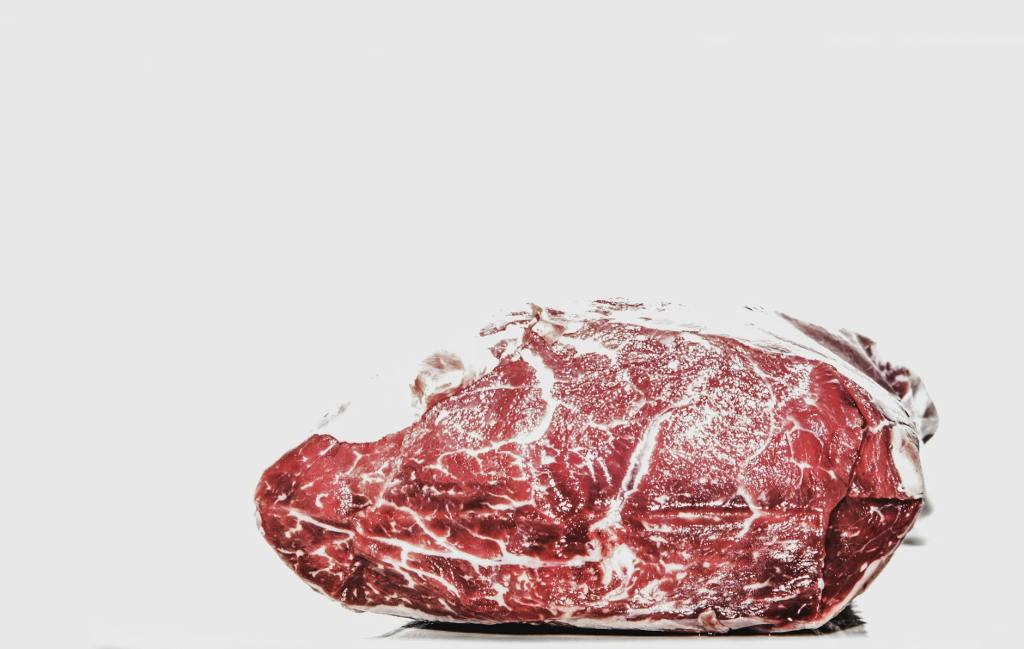
With Veganuary upon us again, countless Brits are preparing to switch turkey for tempeh, and brisket for beans. Whether motivated by a desire to feel healthier after a Christmas blowout, or the appeal of a more sustainable lifestyle, the annual challenge is gaining more followers year on year.
Intriguingly, however, January plays also plays host to another, equally divisive, foodie event: Carnivore Month.
Unsurprisingly, Carnivore Month, aims to raise awareness and promote the apparent benefits of a carnivorous diet. A term coined by Dr Shawn Baker, an orthopaedic surgeon, US Air Force Veteran, and ex-professional rugby player, the diet essentially consists of consuming purely animal based products – the utter antithesis of veganism.
Each regime has its pros and cons, and ample advocates and adversaries. By now, most of us are familiar with the alleged risks and rewards of plant-based eating. Heaps of fibre, copious quantities of vitamin and minerals, and less impact on global warming are all potential upsides, yet compromised calcium intake, certain nutrient deficiencies, and a possible lack of protein are equally realistic outcomes.
But what are the arguments for and against a meat-based lifestyle?
The Concept
The ‘carnivore diet’ first hit the mainstream in 2019, when the aforementioned Dr Shawn Baker published his ground-breaking book; The Carnivore Diet. The publication analyses some of the historical, nutritional and evolutionary theories behind the strategy, in an attempt to illustrate why it may illicit drastic health benefits for some individuals.
The adical regime involves consuming meat, fish, eggs, and some low-lactose dairy, but no, or very minimal amounts of processed foods, sugar, grains, legumes, fruits, and vegetables. What’s more, it discourages drinking any beverage other than water.
Although milk products are animal-based, the high lactose content of many items means they are deemed too high in sugar, resulting in some strict adherents choosing to cut out dairy completely. This said, many carnivores opt for ‘low-lactose’ dairy, such as hard cheeses and butter, in order to avoid being too limited in what they can eat.
Seasonings are also controversial. Processed, store-bought sauces like ketchup and mayo are a no-go, however most deem salt and pepper acceptable, but try to minimise consumption herbs and spices, as they are derived from plants rather than animals.
The net effect of this is an intake very high in fats and protein, yet very low in carbohydrates.
So… Why?
The alleged benefits of a carnivore diet are manifold and varied, resulting in a vast range of motivations for going meat-based. Baker himself was driven to ditch vegetables after noticing, as he aged into his forties, sleep issues and painful joint niggles, as his long and arduous athletic career began to take its toll. Despite an intense fitness regime and balanced diet, his body composition was deteriorating, so the doctor experimented with various extreme eating habits, from Keto to Paleo, before settling on all-meat.
Of course, friends and colleagues warned of scurvy, clogged arteries and constipation, yet soon enough, Shawn reported feeling 20 years younger.
Many carnivore cheerleaders notice increased satiation and more balanced energy levels. This is most likely an inescapable side-effect of consuming pretty much pure protein and fat; the most filling of the macronutrients. Subsequently, as is the case with a Keto diet, weight loss is often synonymous with carnivore, perhaps because more satisfying main meals lead to less of a tendency to snack on calorie dense, nutrient poor convenience items. What’s more, when limiting yourself to animal-based products, you’re fairly limited when it comes to typical, hyper-palatable snack choices readily available ‘on-the-go’.
More sustained energy levels are probably a result of a minimal intake of processed carbs and sugar, leading to fewer glucose spikes and troughs throughout the day. Some people easily adapt to, and thrive on getting energy from fats and protein, and reap the benefits of balanced blood sugar levels.
One might assume that a diet so low in fibre would be a digestive disaster, although for select individuals, the opposite is true. IBS sufferers, in particular, may experience bloating, gas and cramps when they have too much fibre. As a result, those who limit or cut out veg completely sometimes find their digestive issues abate.
Arguably the most profound alleged benefit of the carnivore diet is its impact on chronic inflammation and certain inflammatory diseases. Some levels of bodily inflammation are totally normal, and are an injury or infection fighting response, but chronic inflammation, however, is linked to heart conditions, arthritis, and certain types of cancer, as well as joint pain, brain fog and fatigue. There are plenty of suspected causes of this beast, from exposure to pollution to autoimmune disorders. A poor diet high in processed, high sugar, refined foods is thought to elevate blood sugar levels and trigger an inflammatory response as a consequence.
Conversely, the carnivore diet is by nature minimally processed, low in sugar and low in processed carbs, whilst being rich in omega-3 fatty acids – hence its associated with reductions chronic inflammation, and a potential to ease inflammatory disease symptoms.
Surely its not healthy though?
As is the case with Veganism, the carnivore diet is swathed in risks and pitfalls. The first thing to be aware of when looking at the benefits of the regime, is that most evidence is anecdotal, and there is very little scientific research into the impacts of a meat-based diet, positive or otherwise. What’s more, as with any health or nutrition protocol, individual responses to the change will vary drastically. For example, low carbohydrate diets work wonders for some people’s energy levels, but others experience constipation, headaches, nausea and fatigue, particularly if they have high activity levels. (This isn’t to say some athletes don’t thrive in ketosis)
Perhaps the most obviously questionable feature of carnivore is its lack of vegetables. One of the first nutritional guidelines we receive as children is to aim for ‘5-a-day’, with some other countries (like France) suggesting this should be as high as 10. Fruit and veg all contain different essential vitamins, minerals and antioxidant compounds required for a healthy, functioning body and immune system. The occasional day where you only hit three or four 80g portions is unlikely to have any long-term adverse health effects, but following a diet with no greenery for a sustained period of time (ie. Carnivore) opens you up to a plethora of issues.
For example, vitamin A is most prolific in green and yellow vegetables such as spinach, sweet potatoes and carrots, as well as dairy. With all these items restricted on a meat-based diet, one might find themselves susceptible to vision loss and blindness. Furthermore, without the vitamin C most of us get from citrus, potatoes and peppers, its likely you’d suffer with a compromised immune system, and in severe cases, scurvy!
Potassium, magnesium and sodium are also compromised on the carnivore diet, as a such a minimal intake of carbohydrates lowers insulin levels, causing the kidneys to excrete excess water and electrolytes. These potential deficiencies means meat only mavericks are likely to need an array of supplements to ensure they are healthy. These could include omega-3 (for those who aren’t fans of fish), electrolytes and vitamins C, D and K2.
Whilst the vegan diet provides ample quantities of potassium, magnesium, folate, and vitamins A, C, and E, plant based folk often struggle to get enough B12, iodine and calcium, just to name a few. With plenty of thought and attention, a vegan diet can deliver certain amounts of these nutrients, but it requires a lot of planning and a diverse range of foods. As a result, most vegans generally have to supplement their diet too.
Which of the two diets contains a more satisfactory nutrient profile is a matter of opinion, but one could argue that any regime that requires so much supplementation is lacking in balance.
Of course, a distinct lack of veg mean a distinct lack of fibre. In recent times fibre has become nutritionists’ golden girl. Firstly, fibre adds bulk to stools, meaning it can help keep constipation at bay. Not only this, but it may lower the risk of developing colon cancer, hence the UK recommended daily intake sits at 30g.
Conversely, it would be pretty hard not to get enough fibre on a vegan diet. In fact, one can of chickpeas, a serving of quinoa, and a tin of peas would deliver 31.8g of fibre.
Another aspect of carnivore that has medical professionals quaking in their boots is its saturated fat and cholesterol content. The NHS advises to keep daily red and processed meat consumption to 70g or less each day (that’s about three slices of ham). The relationship between red meat consumption and cancer risk is heavily contested, but red meat certainly contains plenty of saturated fat, which is linked to raised levels of non-HDL cholesterol – the type linked to heart and circulatory disease. Whilst eating red meat in moderation is probably fine for most individuals, consuming solely meat and red meat for every meal seems unlikely to be conducive to optimal health. On the contrary, vegan diets are famously low in saturated fats, and has been linked to reduced heart disease and diabetes risk.
Heart attacks aside, a diet extremely high in meat and animal products may place unnecessary stress on the liver and kidneys. The kidneys are key in metabolising proteins, as they remove certain byproducts from the body that are produced in protein digestion. Too much protein may overburden the kidneys, and result in a decline in function in the long run, or an exacerbation of existing diseases. Thus, sufferers of existing kidney issues would be wise to avoid the regime.
Many choose to go carnivore in hope of beginning a weight loss journey, yet those who do not need to shed any pounds may find themselves struggling to hit their nutritional needs. The highly satiating nature of meat-based diets, may mask appetite in certain individuals, and the highly restrictive menu may leave some ‘at a loss’ for what to eat. As a consequence, there is a high likelihood that carnivore could lead to under-eating and unwanted weight loss in some populations. The same criticism could be applied to veganism, however. Not only are fruit and vegetables generally pretty low in calories, but the monumental amount of fibre in vegan diets also increases feelings of satiety, and the same issue of a lack of options to choose from (particularly when eating out) is equally as prevalent. Subsequently, both meat centric and meatless diets could lead to under-eating.
Meat and Mental Health
Its widely accepted that our mental health is equally as important, and interconnected with our physical. Neuroscience and psychology are arguably the most difficult medical areas to study, yet there is some evidence to suggest that carnivore diets may have positive effects on depression and anxiety. There are a selection of potential reasons for this, including a high concentration of ‘mood-boosting’ vitamin B12, zinc and creatine – all of which are linked with lower levels of depression.
Additionally, carnivore has been associated with improved gut health, largely due to its lack of processed foods. ‘The gut-brain’ axis essentially describes the neural connections between our GI tract and hypothalamic-pituitary-adrenal axis. I won’t pretend to understand the exact mechanisms involved, but its widely accepted that a healthy gut microbiome may be pivotal in maintaining mental well-being.
On the opposite end of the spectrum, advocates of a vegan diet have also linked it to good mental health. Consuming an abundance of high quality fruits, vegetables, nuts, seeds, legumes, and whole grains, automatically means one is consuming ample amounts of antioxidants – associated with reducing depressive symptoms. Nevertheless, a poorly planned vegan diet lacking in omega-3s, choline, vitamins B-6 and B-12, and folate, could have the reverse effect. The aforementioned nutrients – most prolific in fish, meats, cheeses and eggs – play a critical role in production of the body’s so-called ‘happy hormones’: serotonin, dopamine, and norepinephrine. These three neurotransmitters are inexorably associated with mood, thus low levels may exacerbate symptoms of poor mental health. This said, with careful consumption of leafy greens, fortified cereals, tofu and flaxseed, for example, a vegan could easily avoid such deficiencies.
The ultimate psychological outcome of either diet will depend entirely on individuals’ vulnerability to depression, and the extent to which they strive to achieve a complete nutritional profile. Regardless, in conjunction with potential physical triggers of low mood, its impossible to ignore the social impact that adhering to a strict restrictive diet may have…
At what cost?
A wholistic evaluation of the merits of pursuing carnivore (or vegan) lifestyles, brings to light certain other issues.
The first of these is practicality. In general, working a 9-5 office job is not conducive to a diet solely comprised of meat. By nature, the majority of career-focussed individuals are inherently busy, thus rarely have the time to whip up a quick steak for breakfast. In fact, a much more typical fast-breaker would be a protein bar guzzled on the tube, or a piece of toast whilst running out the front door – both non-starters on carnivore.
Furthermore, obtaining adequate nutrients on both meat and plant-based diets demands extensive meal planning, making staying healthy on either regime a time-consuming exercise.
Eating out also becomes a challenge. Over the years, as veganism has become more mainstream, plenty of plant-based spots have sprung up, and the majority of outlets have at least one vegan option on the menu. For carnivores, however, this isn’t the case. The list of ‘allowed’ ingredients for meat-based diets is undoubtedly much shorter than that of vegans, and it would take a very specific restaurant to cater to those needs. In certain establishments, such as Brazilian Steakhouses perhaps, it may be possible to negotiate with chefs to craft a suitable meal, but the majority of eating houses would simply be unable to accommodate it.
An inability to enjoy meals out may seem pretty trivial, yet this may also mean turning down evenings with colleagues, catch-ups with old pals, and date nights with partners. To some this may not seem like a problem, but it certainly merits consideration when phrases like ‘loneliness epidemic’ are regular guests at our dinner tables. Of course, devil’s advocate would say joining such a niche movement may actually expand your circle of friends, as you connect with a community of likeminded individuals.
Finally, monetary cost may be a real issue. The average food bill per person in the UK (including groceries and eating out) is £42 per week, or £31 for groceries alone. As a carnivore, you would be unlikely to be spending much on eating out, and would not be buying alcohol, nevertheless, meat and fish (particularly high quality cuts) are generally some of the highest priced items in our baskets. Conversely, items like canned pulses, dry grains, and basic vegetables often cost mere pence.
(ONS Family Spending in the UK April 2022 to March 2023, adjusted for inflation through July 2024)
To put things into perspective, The aforementioned ultra-simple, high fibre vegan meal suggestion of chickpeas, quinoa and peas totals £1.05, and 469 calorie per pound, whereas a single ‘Tesco Finest’ Rump Steak would have you shelling out £6.20. in terms of calories per pound, that’s just 79 calories per pound – meaning spending a lot more to hit basic energy needs.
Critics would say vegan diets can be equally as costly, with ‘fake meats’ commonly bearing pretty steep price tags. Yet unlike with carnivore, there is much more opportunity to choose cheaper ingredients. Additionally, more affordable meats, such as supermarket brand sausages, would be forbidden on carnivore diets thanks to their ingredients lists. ‘Pea Flour, Potato Starch, Sage, Salt and Stabilisers’, are just some of the illegal components of a classic Lincolnshire banger.
Theoretically, the most economical way to feed an all-meat diet would be to buy in bulk from local farmers, but how many of us have room for a whole cow in the freezer?
Sustainability – personal and planetary
Going carnivore or vegan for the month of January, as a challenge, out of curiosity, or in pursuit of superior health, may be a realistic endeavour. Purse strings are tight, meaning social outings are less likely to impinge on your eating habits. Health goals are at the forefront of our minds, and motivation to become a ‘better you’ is rife. What’s more, any potential health risks of either lifestyle are unlikely to rear their ugly heads within a 31 day period.
However, when the month draws to a close, concerns about the durability of carnivorous eating start to appear…
If you’re anything like me, even eating the same meal two days in a row can feel monotonous. Therefore, a diet restricted to meat and fish is likely to seem somewhat limited, and painfully boring, after four weeks of commitment. Soon, its easy to see how ‘steak night’ will go from being a treat, to mental torture.
On the contrary, plant-based eating, may become more inspiring over time. As your culinary repertoire expands, and you become more daring with your daily dishes. From hearty lentil shepherd’s pies, vivacious veg-packed curries or even a cheeky plant burger, the options are endless when it comes to creating nourishing, tasty, food, from all over the globe.
Aside from the humdrum rotation of chicken, beef, and sardines, meat-only diets are inevitably questionable from an environmental viewpoint. The meat industry is notorious for its impact on global warming. It requires huge quantities of land and water, contributes to methane emissions, and may trigger biodiversity loss as wild environments are converted to crop fields in order to feed animals.
This said, when meat is farmed mindfully, the planet may actually prosper. For example, cattle reared on well-managed, naturally occurring grasslands, rather than deforested areas can aid in cultivating a biologically rich ecosystem. Furthermore, eating locally sourced meat (and vegetables) helps alleviate environmental pressure, as there is less transportation required, and less CO2 emissions as a consequence.
In essence, if everyone were to go carnivore, there would likely to be a negative climate impact. Nevertheless, the same could be the case if we all went vegan.
Increases in demand for avocados has lead to deforestation, producing a kilo of mangoes requires a whopping 686 litres of water, and nuts need vast amounts of pesticides to survive in many cases. Additionally, consuming exotic produce grown abroad means transportation is still necessary, thus the impact of this is still present.
To put it simply, vegan diets may not be as green as we initially thought, yet consuming purely meat is unlikely to be brilliant either.
A Very Meaty Monday
Many go-to meals a lot of people consume on the daily are simply out of the question on a meat-based or a vegan diet. A crisp Chicken Caesar Salad is nothing short of criminal, and that moorish macaroni cheese is an absolute ‘no-go’, so carnivores and vegans alike have to get a little more creative with their daily menus…
Breakfast
A steaming mug of coffee and a bowl of shredded wheat, doused in milk and a dash of sugar would be a pretty typical (and seemingly healthy) way of breaking the fast for
plenty of time-poor folk. Yet this classic morning munch would be far too processed for a carnivore, and derived from grains, so utterly unacceptable.
For a meat master with time on their side of a morning, an ideal start to the day may include a steak fried in butter, alongside a couple of eggs. However, for those who don’t have the energy (or budget) for a 6am sirloin, a little prior planning may be necessary. Eating on the go becomes a little more complex when relying on minimally processed foods, and you’re unlikely to be able to pick up a quick snack in a local cafe. As a result, speedy breakfast options may look like meal-prepped egg and bacon muffins, or hard-boiled eggs accompanied by some turkey deli meat, or ready prepared beef mince.
Vegan breakfasts may seem slightly less ‘avant-garde’. Simply substituting dairy yogurt or milk for a soy or coconut based alternative would mean a bowl of cereal or granola is still an option. Bread is vegan, so toast is ruled in, and baked beans make for a beautiful source of plant protein.
Lunch
If you’re a work-from-home warrior, lunch can be a rather elaborate affair. Perhaps sumptuous doorstopper slices of fresh sourdough, swamped with a variety of cheeses, and grilled to perfection. When served alongside a piping bowl of tomato soup, there is quite literally nothing more comforting. Alternatively, if your midday meal tends to be ‘al-desko’, there’s a good chance you’re hotfooting it down to a nearby Pret, and indulging in a vibrant to-go salad – undoubtedly a nutritious and tasty option.
Of course, these staples are strictly prohibited on the carnivore diet. Too bready. Too green. Too processed.
This said, carnivorous lunch dishes may not sound quite as rogue as breakfast. Cooking at home may mean a freshly grilled salmon fillet and some poached eggs. Should you need something more portable, you may choose to fry some chicken in ghee the night before, and pack it into a Tupperware with some parmesan cheese.
Once again, vegan lunches don’t have to be anything crazy. Switch your cheddar for a coconut version, and cheese sarnies can stay, or just ditch the chicken in your salad, and throw in chickpeas instead. Not only this, but the lunch chains we know and love generally have an array of vegan toasties, soups and sweet treats to choose from.
Snacks
Whether its a handful of crisps, a piece of fruit, or a protein bar, few of us make it through the day without some kind of snack. Surviving on purely animal products, however, discounts most popular pick-me-ups.
If organised, prepping hard-boiled eggs, hard cheese, or a box of sliced deli meat are good options. Furthermore, meat sticks, quality beef jerky, biltong, or packs of sliced deli meat may be the best ‘emergency’ choices. However, its important to consider what is added to these convenience items, as many contain added sugar, flavourings and preservatives. Consequently, prepping at home is really the only way to ensure a purely meat-based boost.
Comparatively, whilst you could whip up some plant-based nutty protein balls, air-fried chickpeas, or crudités and hummus for homemade vegan nibbles, its now fairly easy to find plant powered snacks while out and about. Lots of crisp brands (Hula Hoops, Kettle Chips, Walkers etc) are vegan, plenty of protein bars are made without whey, and you could just grab some nuts or a banana!
Dinner
Having made it through a tough day at the office, curling up with your favourite comfort dinner is nothing short of blissful. Sausages and mash, oozy lasagna, or simply a large, doughy pizza can all satisfy a need for wholesome nourishment.
Alas, when carbs are out of the question, evening meals look a little different.
Offal is not to be disregarded on a carnivore diet. Its packed with iron and B vitamins, affordable, and a high quality protein source. Liver and bacon, or even fried lamb hearts may be common features on a meat-based dinner rotation.
If offal is not to your taste, it is possible to create a ‘pizza’ from solely carnivore friendly ingredients. Combining cooked chicken breast, eggs, cheddar cheese and a little salt and pepper in a food processor delivers a ‘dough’ that can be rolled into something that resembles a pizza. Topping this with a butter based sauce, and (of course) some meat toppings, then oven baking, leaves you with a completely flour free pizza.
At the opposite end of the spectrum, vegan dinners rely on maximising the flavour found in veg. Perhaps you grind aromatics into a Thai curry paste, and lovingly stir a rainbow of veggies and tofu into a coconut-based concoction, before dishing up with fluffy rice. Or, if ease is your priority, you could just pick up a vegan pizza from the supermarket.
Dessert
Crafting a nightly sweet treat from steak, salmon, or chicken thighs may seem somewhat unrealistic, yet even carnivores get dessert cravings, so they’ve come up with some nifty sugar-less solutions.
‘Crustless Cheesecake’ is one such invention; mix grass-fed butter and cream cheese until smooth and creamy, then freeze for an indulgent pudding. Alternatively, using egg yolks, heavy cream and salt, one can fashion a ‘carnivore ice cream’.
Honestly, I’m not convinced.
Dessert is probably the trickiest course for vegans too. No butter, milk or eggs makes baking a little difficult, but its still possible to create gooey brownies with dairy-free margarine and soy milk, or cookies with dairy-free chocolate chips. What’s more, pretty much all shops offer vegan chocolates, ice creams and moorish plant-based nibbles like flapjacks and muffins.
A UPF-less life?
If you are yet to hear about the ultra-processed food debate, then where have you been? In short, UPFs are foods containing additives, colourings and sweeteners that you would be unlikely to find in your own kitchen. Recent research has shown these to be detrimental to health, both personal and public.
Carnivore diets are the teacher’s pets when it comes to minimal processing, with the whole regime being based on ingredients in their natural form. Equally, veganism has the potential to be UPF friendly (or unfriendly). Prioritising grains, pulses and plants allows you to avoid the potential side-effects of a highly processed diet. Nevertheless, vegan meat alternatives (like sausages or burgers), flavoured plant-based yogurts, and ‘standard’ items like sliced bread and cereals all fall into the UPF category. Therefore, it ultimately depends on your personal meal choices as to whether meat-free equals minimally processed.
In the modern world, its very difficult to avoid UPF’s completely, but there’s an argument to say carnivores could be closer to the mark than most of us.
Restriction vs Reward
Overall, the category of individual suited to a carnivore diet is pretty niche. They have to be immune to food fatigue, willing and able to put extensive time and energy into planning and prepping meals, and capable of thriving on minimal carbs. I am no nutritionist, but in my opinion the regime seems somewhat restrictive and lacking in nutrients, with questionable environmental impacts. Nevertheless, I can see how giving it a go for a month could appeal to those seeking a radical dietary overall.
Whilst still a challenging endeavour, adopting a vegan diet for January may be achievable for a wider demographic. Nowadays, its a pretty mainstream lifestyle choice, so naturally easier to incorporate into a ‘standard’ daily routine. The variety of foods available on a plant-based diet is also much greater, yet there is still the potential for it to become restrictive or lead to deficiencies without adequate planning and research.
Once again, trying veganism for a month is unlikely to do too much harm, and sampling either diet may turn out to be a learning experience. Maybe, after a month of only animal products, you feel able to incorporate more iron-rich liver into your diet, and focus on whole foods. Or perhaps a month of plants leaves you feeling more confident cooking with beans and pulses, and consuming more colourful, nutrient dense meals on a daily basis.
Personally, carnivore is not for me – I’m too much of a fan of broccoli.



 The Sprightly Spud
Leave a comment