With January all too ready to plunge its icy claws into our immune systems, the annual hunt for a miracle defender against all known viruses is on. From ginger shots, to mushrooms, to kefir, the internet is teeming with possible health heroes.
The sad truth is, its unlikely that a singular food, drink, or fancy supplement will be able to stave off all winter ailments. Like it or not, a balanced diet, rich in colour, fibre, and a wealth of vitamins and minerals, accompanied with adequate sleep and exercise, will leave you with the best chance of surviving the season sniffle-free. Nevertheless, there’s one bulbous vegetable that, in my personal opinion, isn’t talked about enough.
Though a little potent, she’s charmingly humble, and impressively versatile. What’s more, in the words of our favourite cartoon ogre, she’s got “layers”.
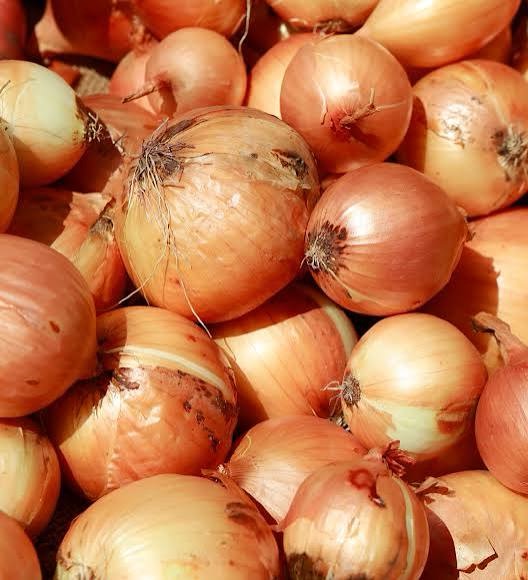
The onion.
My late Nana swore by her daily red onion sandwich as a guardian against the germs circulating the “old people at church”, and while few would be able to stomach this rather questionable lunch, is it worth incorporating more onions into our winter eating regime?
About the Bulb
Long before they appeared in your local supermarket, onions had a reputation as defenders against evil, powerful healers, and divine protectors. Thanks to their distinctive ring pattern, the Ancient Egyptians viewed them as a symbol of eternal life, and thought they could ward of disease and wickedness. As a result, it was not unusual to find a mummy with an onion in each eye socket, in hope the onion’s potent scent could reinvigorate the dead.
The Greek’s were also big fans. In place of creatine or protein powder, Olympic athletes of the day were fed vast quantities of onion (sometimes in the form of raw juice) to instil bravery and strength within them. A little later, Roman Gladiators massaged themselves with onions before hitting the arena, in hope it would provide them with extra resilience.
Athletic enhancements aside, onions were used throughout history as remedy for a variety of maladies, ranging from headaches to plague. Regrettably, rubbing cold toes with onion will probably not bring back circulation (an old folk belief), and putting one in your sock will not cure the flu. However, not only are onions one of the world’s oldest cultivated crops, but they have a range of (scientifically proven) health benefits…
Antioxidants
Blueberries, chia seeds and leafy greens seem to get all the media attention when it comes to antioxidants, but onions boast an impressive flavonoid profile themselves.
To clarify, an antioxidant is any substance that protects the body’s cells from the damage caused by free radicals; unstable molecules occurring as a result of normal metabolic processes and environmental stressors like UV radiation, air pollution and cigarette smoke. It is believed that exposure to these free radicals can accelerate the aging process, exacerbate mental health concerns, and even increase the likelihood of developing cancer or heart disease. Even certain foodstuffs like alcohol and those containing many preservatives can act as free radicals.
It’s nigh-on impossible to avoid free radicals – even high intensity exercise can contribute to oxidative stress – therefore consuming antioxidants, which can neutralise them, is essential.
Onions contain over 17 types of flavonoids, including anthocyanins and quercetin, which are credited with supporting brain, liver and heart health, and reducing inflammation. Inflammation is a natural response to injury, infection, or even a hard workout, but chronic inflammation can weaken the immune system. Therefore, keeping inflammation in check by consuming antioxidants is a solid step towards battling seasonal sneezes.
2. Antibacterial Properties
Those old wives tales about onions in socks and curing the black death may actually be founded in reason… Thanks to their quercetin content, onions have natural antimicrobial properties, which could potential curb the growth of bacteria such as E.coli, Pseudomonas aeruginosa and Staphylococcus aureus, pathogens responsible for UTIs, skin infections and even pneuomonia. This being said, eating a daily onion is not a substitute for a course of penecillin, nor will it cure or prevent these illnesses. Regardless, providing you are not one of the few individuals with an allium allergy, it can’t do any harm.
Furthermore, the sulphur compounds and quercetin in onions are what’s known as expectorants, so can help to thin and loosen mucus, making it easier to cough up and clear congestion. Alongside the anti-inflammatory nature of quercetin, which can reduce inflammation in the respiratory tract, onions could help soothe irritated airways if you’re already suffering from a cold.
3. A Vitamin Powerhouse
Forget that funky tasting greens drink that you spent a small fortune on, onions flaunt 13 vitamins and minerals, and you can pick up a kilo of them for under a pound. When it comes to fending off colds, Vitamin C is the phrase on everyone’s lips, and the average large bulb packs in 12-15g of the stuff. Not only is it an antioxidant, but it encourages the production of white blood cells which engulf and dispose of pathogens (like a cold virus) and improves the ability of neutrophils to perform chemotaxis – the process of relocating to the sight of an infection. Additionally, Vitamin C is crucial to the absorption of dietary iron, therefore adequate intake reduces one’s likelihood of developing anaemia. Anaemia leaves antibodies and immune cells at a loss for energy, thus impairing immune function and increasing susceptibility to illness.
For an adult male, 90mg of Vitamin C is recommended each day, and although citrus fruits still reign supreme in this department, onions aren’t doing too badly.
The B Vitamins B6, B9 (folate) and a little B1, B3 and B5 are also contained within the rings of an onion. Their roles in energy production mean the immune system can function as it should, B6 is pivotal to antibody production, and B9 facilitates the growth of immune cells, thus they are equally as important in keeping us well.
4. Gut Health
One large onion contains around 2.5g of fibre; the current hotshot in the nutrition realm. By definition, fibre is somewhat unglamorous; it is simply the indigestible parts of plant foods that remain intact through the digestive system. Of late, however, fibre has carved out a career in the public eye, thanks to its numerous benefits, which include constipation prevention, blood sugar stabilisation, and reduced risk of colon cancer.
Critically, the fibre contained in onions (fructans) is a prebiotic, which helps immunity by feeding the ‘good’ bacteria in the gut, which produce short-chain fatty acids involved in regulating immune responses and strengthening the gut barrier. What’s more, a vibrant gut microbiome will be more able to absorb the goodness found in all the foods we consume, therefore promoting nutrient balnace. So, more fibre may equal less flu.
There’s also an argument to say that onions – on account of their gut-friendly nature – could help deter a rather different kind of cold-weather curse: the winter blues. The relationship between the gut and the brain – or the ‘gut-brain axis’ – is rapidly gathering momentum as one of the most interesting areas in medical research. The theory is that the two organs have a bidirectional link via the vagus nerve, neurotransmitters and certain hormones and the immune system. Consequently, the diversity and health of one’s gut flora can have a significant impact on one’s mental health, as both serotonin and dopamine are produced in the digestive system. Though more investigation is required, there’s a growing body of evidence to support the idea that a high fibre diet can literally keep you happy, hence onions
Fructans vs Flatulence
Unfortunately, onions can prove somewhat problematic for IBS sufferers. Whilst their fructan content can nurture gut health in some people, others struggle to digest them and suffer varying severities of bloating, gas, cramping and diarrhoea after their consumption. There is no singular cause of IBS, but genetics, oversensitive nerve endings and even trauma can all be involved, and different foods will act as triggers for different people, yet FODMAP produce (Fermentable Oligosaccharides, Disaccharides, Monosaccharides, and Polyols) are the usual suspects.
From Spring to Shallot
Onion connoisseurs will be well aware that alliums come in all shapes, colours and sizes. From chives to garlic, each one has a slightly different flavour, offers unique health benefits, and serves a different culinary use. Not only will eating a spectrum of onions increase the number of nutrients you gain, but will make a greater contribution to your recommended 30 weekly plant points.*
The most petite variety, the pearl onion, works wonderfully as pickles and cocktail garnishes, and can add a nuanced burst of sweetness to all kinds of soups and stews. Chives, often used as a garnish for eggs, soups and salads, provide an IBS friendly option for anyone with a sensitive stomach, but a craving for fresh flavour. Though delicate in stature they also contain Vitamin C, magnesium, calcium and Vitamin K, albeit in slightly lower quantities than their larger cousins.
Another unsung hero is the leek. Albeit gentler in flavour, they contain more Vitamin A and K than a white onion; just one vegetable contains around 30% of the daily recommended intake of both. These two are major players where immunity is concerned, with Vitamin A also offering a wealth of skin and eye health benefits. Equally fundamental, Vitamin K allows for blood clotting and wound healing, therefore helps avoid cuts becoming infected, whilst also supporting cognitive function and bone health.
The two most well-known types of onion, are, of course, red and white. When it comes to immunity, red are generally deemed healthier, as they have a higher concentration of antioxidants, and twice as much quercetin.
In essence, the whole onion family deserve a seat at the table.
*An initiative that encourages eating 30 different types of plant food (including herbs, spices and legumes) in order to increase the diversity of the gut microbiome.
To Roast or Not to Roast
So, having made a pilgrimage to your local Waitrose (other retailers are available) in order to acquire an onion medley, you now have two dilemmas on your hands:
Where do you keep them all?
How to prepare them?
Storage
The ideal onion habitat varies depending on the variety. Shallots, garlic and our standard red, yellow or white bulb, prefers a cool, dark, dry place. It is best to keep whole onions out of the fridge, as the cold, damp environment encourages them to go off more quickly, due to the fact they absorb the moisture, and go squishy or mouldy.
Once sliced, however, they can be kept in the fridge in an airtight container, and even frozen for longer term preservation. Additionally, spring onions, leeks, garlic and chives are better suited to the fridge. The advice for anything that comes ‘bunched’ (ie. spring onions or scallions) is to wrap them in a damp paper towel, and place in a ziplock bag in the fridge.
Preparation
There is not a right or wrong answer when it comes to consuming onions cooked or raw. It goes without saying, what you do with an onion changes its taste dramatically, and some people simply can’t cope with the intensity of this vegetable in its naked form. Some Vitamin C is lost when we heat up onions, as it’s water soluble, as are certain flavonoids and polyphenols. The extent to which cooking sacrifices onions’ nutrition depends on the method. As is the case with most vegetables, boiling is the most aggressive option, and frying on a very high heat can have a similar nutrient – zapping effect. In general, the shorter the heat exposure, and the lower the temperature, the better. As a result, microwaving, grilling or roasting work well, with the latter option helping to increase the bioavailability of antioxidants like quercetin, and sulphur compounds like allicin – a pungent substance with strong antibacterial properties and immunity benefits. This is because the the tough cell walls get broken down, unlocking the goodness within.
Raw onions, of course, retain all of their Vitamin content, but there’s certainly an argument to say that, due to their potency, its difficult to eat as much of them. This being said, the diversity of onions on the market means some, such as shallots, have a much milder bite, and they make for a wonderful crunchy adornment for salads, burgers and sandwiches.
Powerful Pickles and Fierce Ferments
It is believed that the practice of pickling began around 4000 years ago, with records of pickling onions dating back to the 18th century. Submerging fresh produce in a brine or acidic solution means harmful bacteria can’t survive, hence the initial intention of pickling was to keep staple foods available throughout the winter. Nowadays, we have access to crops from all across the globe, but pickling remains popular as a way to utilise a glut of veg and create an irresistibly tangy flavour sensation.
To pickle onions naturally, you simply place them in a salt brine (with no vinegar) and allow the lactic acid to work its magic. The result is a complex, umami taste, and the microbiome-boosting nature of onions is enhanced further, as it creates probiotics. These are live bacteria that support digestion and overall health, and can fortify the immune system too! With up to 80% of immune cells residing in the gastrointestinal tract, it really is at the heart of illness prevention.
Onions pickled in vinegar also have their strengths, as the acid can trigger your stomach to produce more digestive enzymes, making it easier to digest and absorb the nutrients in heavy meals. As we know, the more nutrients we can get, the more likely we are to be able to fight off any nasty winter bugs.
Pickling can also make for rather a fun hobby, and it requires a little less effort than cultivating a sourdough. With a few repurposed, sealable jars, along with sea salt and water for the brine, you have the basis for a plethora of punch, and detailed instructions of how to best look after all kinds of brined veggie are readily available online. Virtually any type of onion thrives as a pickle; shallots and daintier varieties can go in whole, though their larger cousins work better sliced. An allium medley incorporating a host of bulb sizes and colours will allow you to reap the health benefits of different breeds (and also makes an appealing pink colour), and adding herbs, spices and aromatics – such as peppercorns or oregano – opens up a whole new world of flavour.
We might not have to worry so much about winter food shortages in 21st century Britain, but this age-old practice still has value. We can buy vegetables when the are at their most abundant and full of nutrition, and save them for use when they are less easily available. Furthermore, there is nothing more impressive that pulling out your selection of vitamin-packed jars at a January dinner party.
The greater the spectrum of your pickled produce, the greater the range of vitamins and minerals you get, which will only do good things for your immunity. Therefore, after having mastered the onion, it’s worth expanding your repertoire…
A carrot, onion and ginger pickle, for example, makes for an absolute treat alongside sushi bowls or even curries, and is nothing short of an immunity masterpiece. Carrots are bursting with beta-carotene, which gives them their colour and converts to Vitamin A, who’s role in maintaining the health of epithelial and mucosal tissues (aka the gut and respiratory tract lining) helps create a physical barrier to germs. Additionally, it is used to develop immune cells like lymphocytes and neutrophils, and helps fight chronic inflammation.
Ginger has its new extensive list of benefits, hence why people like to blend it into rather intense juice shots. It contains a chemical substance known called gingerol, that is extremely effective in reducing oxidative stress, and is well-renowned for its nausea fighting properties.
Not Just for Keeping the Vampires Away…
One less conventional preserved allium with some impressive alleged wellness benefits, is fermented black garlic. At a glance, one would be forgiven for assuming it is either rotten or charred, but this Korean delicacy is actually the result of a long fermentation process which alters the flavour, appearance, and chemical composition of the original white bulb.
In its standard form, garlic is yet another powerful health promoting allium, with a vibrant culinary and medical history. It is believed to have originated in Central Asia, and was eventually being cultivated by almost every ancient civilisation. The bulb developed a reputation for being able to ward of spirits, stop disease crossing doorways, and scaring vampires. It is full of volatile sulphur compounds that give it antiseptic and antibacterial qualities, along with its distinctive odour.
It’s this intense scent that led garlic to be used as a lucky charm against plague-inducing miasmas, which might actually have worked to some extent, as the smells may have deterred the fleas carrying the disease. Fast-forward to 1858, and Louis so Pasteur found one millimetre of raw garlic juice to be as effective in killing harmful bacteria as 60 milligrams of Penicillin. As a result, it was utilised during WWII to tread wounds and gangrene on the battlefield.
These same antimicrobial and antiviral properties make garlic a fantastic addition to your winter plate in any form. Furthermore, it contains allicin, which could reduce levels of harmful cholesterol, help manage blood sugar, and lower blood pressure. It has similarly potent vitamin, antioxidant and anti-inflammatory properties to those of onions, though produces significantly more allicin, which has even been linked to slowing the progression of neurodegenerative diseases.
The chemical composition of Garlic means it differs from other members of the allium family, as it is comprised of longer chains of fructose than its cousins. When slow cooked, these break down into sugar molecules, resulting in a mellow flavour, and meaning it is easier to burn than other onions. After being adopted into cuisine very early on in history, it remains an international staple and is infused, minced, sliced and sautéed into sauces, dips and stir-fry on every continent. It was the Korean’s, however, who thought to leave garlic to oxidise and ferment in a rice cooker for several weeks, at a very humid 60°C. 60 days later, the clove emerged with a sticky, dried date like texture and a caramelised flavour.
This fermentation process reduces the concentration of allicin compounds, so the aroma becomes less potent, yet the taste develops into a rich sweetness (like balsamic vinegar), with an undertone of umami and an almost smoky after-burn.
and not the same strong smell of garlic. It lacks aroma but has a unique flavour profile of umami with a molasses sweetness, like in balsamic vinegar. It is a combination of sweet sour and even some smoky elements.
We have the Maillard reaction to thank for this: a complex mesh of chemical interactions that occur when certain proteins and sugars in food come into contact with heat. At its heart, it is what makes food more appealing to humans, transforming raw produce into irresistible colours, flavours and smells, and signalling to us that it is nutritious and ready to eat. Some of our favourite culinary delights only exist because of it; cheese on toast, for example, develops its nutty aroma and caramelisation when the starches in the bread become golden and toasty, and the lactose in the cheese is heated. It is what turns a slab of meat into a perfectly seared rib-eye, and what makes sharp, crisp onions into a stick and oozing burger topping.
In the case of fermented garlic, the amino acids and carbohydrates get broken down into melanoidins – glucose and fructose filled compounds responsible for the brown or black colour, and the almost treacly taste. Aside from the myriad gastronomic doors opened by fermenting garlic, it boasts an array of potentially health-enhancing assets too. There is no burning involved, so when the allicin breaks down into polyphenols and flavonoids, they all emerge intact, which means a mellow palate, but more antioxidants. Not only this, but fermentation increases the bioavailability of manganese, selenium, and vitamins B6 and C, adds pre and probiotics, and enriches the sulphur compounds garlic contains, which can promote effective liver function, and elimination of toxins from the body. Critically, its much easier to digest, and doesn’t cause bad breath!
Planet and Pocket Friendly
As delightful and nutritious as a fresh, juicy mango, or a creamy avocado might be, they carry with them a pretty jarring climate impact. We are lucky enough to be able to get fruit an vegetables from all across the globe, but this means your mango may have travelled form Brazil, Spain, Peru, India, Costa Rica or Egypt, depending on where they are most in season at the time.
With around 72mg of Vitamin C, a juicy orange is, without a doubt, a fantastic immune-fortifier. However, it will likely have made a journey of over 1000 miles from Spain or South Africa, and have been kept in a resource-intensive refrigeration facility for up to 6 months, in some cases, after its harvest. As a result, imported fruit and vegetables contribute significant amounts of greenhouse gases to the environment, particularly if they are transported by air. Not only this, but the longer an item is stored after harvest, the more nutrients it loses, and plants like bananas and kiwis, which continue to ripen after being picked, are often taken from the tree before they are fully mature, meaning they aren’t as nutrient-dense as a fully developed fruit.
In theory, we could survive on British-grown produce alone, but when the supermarket shelves are adorned with sparky passion fruits and zesty limes – which are certainly beneficial for our health – it would be unrealistic to do so. Nevertheless, incorporating a little more locally grown produce can’t do any harm, and the majority of onions we buy in the UK are grown here, predominantly in Suffolk and Norfolk. There are some exceptions when it comes to maintaining a steady supply throughout June and early July, but most of the time, when we buy an onion, we are supporting our local farmers.
The closer to home our veg is grown, the less transport and storage costs it accrues, and the less we pay, making onions easy on our own pockets too. Of course, for optimal nutrition and minimal climate impact, we could simply limit our purchases to what is available, and seasonal, at a local farmer’s market. In reality, most of us don’t have easy access to this facility, so a Tesco onion will just have to do.
Shallot Smoothies?
Will eating an onion every day cure you of all known winter ailments?
No.
But neither will a £10 carrot, turmeric, ginger, and lemon juice.
Do you need to be eating red onions slapped between unbuttered brown Hovis?
No.
But there might well be a place at your table for the following allium creations;
Onion Medley Toast
Cheese on toast is an elite, timeless classic, and it can be an immunity-boosting flavour bomb too. By topping hunks of sourdough – renowned for its digestibility and prebiotic content – with lightly steamed leeks and shallots, before sealing the deal with a generous layer of bubbling parmesan, we can bask in the knowledge that one of our favourite winter warmers is serving up a plethora of immunity benefits too. Honey plays a vital role here, adding a subtle, floral sweetness, and further enhancing the flu-fighting nature of this meal.
Commonly used to soothe sore throats and coughs, honey’s antibacterial, antioxidant, and anti-inflammatory properties are well-publicised. Not only this, but it contains oligosaccharides which support the gut, and perfectly balances with the savoury taste of the leeks and shallots. Its important to note, however, that not all honeys are created equal, and raw, unfiltered and unpasteurised options (without any additives) will be more nutritious, with locally produced honey being the ideal choice.
Begin by taking your desired amount of sourdough and lightly grilling it on both sides. Finely slice one leek and one shallot then place them in a microwavable dish with a splash of water, before covering it with cling film, and piercing a few times. Zap them for around 3 minutes until they are just soft. You could, of course, sauté the veg, but steaming them like this helps avoid any nutrient loss. Season generously with salt and pepper then spoon over the bread, and drizzle with honey.Next, finely grate over the parmesan, add another dash of honey, and grill until the cheese is caramelised and oozing.
Golden bread, soft on the inside and crisp at the edges, alliums just catching and sweetening at the edges, and nutty parmesan dappled with bubbles of brown and sticky, rich, veins of honey.
Now this was what the Maillard reaction was made for.
Vampire-Fighting Fusilli
This veg-packed pasta sauce thrives on the tang of black garlic, and the earthy umami of mushrooms. It has a cottage cheese base, which, providing you choose a brand that contains live cultures, is a source of probiotics, Zinc, Vitamins a and B12, and selenium, which aid in combatting oxidative stress, and play a role in immune regulation. Protein is often underrepresented as an immune booster, with Vitamins and Minerals gaining a lot more air time. Nevertheless, it’s not just essential for building muscle, but building immune cells too. A single lemon provides 40-50mg of Vitamin C, and brightens the sauce with its acidity.
Finally, mushrooms are fibre fiends, and contain Vitamin D and beta-glucans, the latter of which are a type of polysaccharide that activate macrophages and natural killer cells, improving the body’s infection fighting ability.
For one generous portion of silky pasta and sauce take one serving of fusilli (wholemeal if you fancy the extra fibre), 100g cottage cheese, 1 small onion, the zest and juice of 1 lemon, 1 clove of black garlic, one 200g can of tomatoes, 125g of sliced mushrooms, plenty of salt and pepper and a little spray oil.
Thinly slice your onion and mushrooms, then heat a pan over a low heat with a couple of spritzes of oil. Start cooking the pasta according to pack instructions, whilst you gently sauté the onion and shrooms – you don’t want them to burn, just soften slightly. Meanwhile, add the tomatoes, cottage cheese, lemon juice and black garlic to a blender or food processor, then blitz until smooth. (You can, of course, leave a few lumps if you prefer more texture.)
When the fusilli is fully done, drain it (saving a little of the water), and add the pasta and sauce to the pan. Stir well to combine it all, seasoning with ample salt and pepper, and popping in a little of the reserved water if it feels too thick.
Top with the lemon zest, and enjoy!
*For an additional protein hit, you could also add chicken or butterbeans – the options really are endless!
3. Mega-Beans
There are few things more satisfying than turning a cupboard staple into a midweek masterpiece. By adding garlic, onions, and tofu to a humble tin of baked beans, you can transform a British classic into a nourishing traybake, packed with protein and wholegrain. Quinoa – rice’s fancy friend – is a source of fibre and magnesium and antioxidants, amongst a host of other nutrients. It is credited with lowering heart disease risk, serves up plant-based iron, and contains approximately 4-5g of protein per 100g, making it an incredibly satiated base to any meal.
Baked beans – particularly reduced salt and sugar versions – are not only convenient, but offer B vitamins zinc, protein, and prebiotic fibre – all of which directly support immune function and a healthy gut microbiome. Whilst you could make your own minimally processed, additive-free saucy bean concoction, the well-known brands are a fantastic time-saving solution. Garlic, onion and smoked paprika give the dish restaurant-worthy depth of flavour, along with carotenoids, capsaicin, and extra ‘plant points’!
Begin by cooking your desired amount of quinoa according to the pack instructions, chucking in a spattering of mixed herbs, and some salt and pepper if you feel it needs it. In the meantime, chop some tofu into cubes, slice some onion, and crushthe garlic, then let them soften in a pan with a little spray oil. When they become fragrant, pour in the baked beans (branded or unbranded; the choice is yours), and allow the mixture to simmer together. Plate up your quinoa, and top with the hearty beans. Top it all off with some sliced avocado for a dose of unsaturated fats, a myriad of additional vitamins, and even more antioxidants.
*Some people also like to cook their quinoa in stock for extra flavour, and, if you’re a chilli fan, there’s no harm in spicing it up.


 The Sprightly Spud
Leave a comment