Whether as a thoughtful gift to fitness-mad mate, or simply a present to oneself, there are plenty of people who will have received a WHOOP in their stocking this Christmas.
As a consequence, many of us will be starting 2026 with a new companion attached to our wrists. Every minute you spend together, the more this minimalist band learns about your body; tracking every heartbeat, workout, and change in skin temperature to provide not only data, but actionable insights into your health and longevity. Via a labyrinth of complex algorithms WHOOP produces daily sleep, strain, stress and recovery scores, to help everyone – from elite athletes to primary school teachers – ‘optimise their human performance’.
Of course, whilst sleep duration, VO2 max scores and muscular exertion (amidst a myriad of other metrics) all have an influence on our short and long-term health, there’s another daily, universal, practice which has an undeniable impact on wellbeing…
Food.
Don’t be alarmed, your new accessory cannot literally see the box of leftover festive truffles on your lap, nor can it taste the kale in your smoothie. Nevertheless, the way we eat can change how we feel, how we sleep, and even influence our heart rate variability, therefore contributing to how generously WHOOP scores our recovery and strain and (for Peak and Life subscribers), how quickly our body is ageing. So, how can we fuel our way into the green?
The Don’ts
The extent to which including certain foods, excluding others, meal timing, and macronutrient ratios effect every individual will be different. However, there are certain key players which generally act as an enemy to unlocking your maximum potential.
- Allergens and intolerances
Self-explanatory? Perhaps. Nevertheless, consuming foods which your body is allergic to triggers a release of histamine, which results in widespread inflammation, and significant physiological stress. Visible symptoms range from unpleasant to life-threatening, and may include vomiting, rashes, wheezing, swelling, or even anaphylaxis. No matter the specific manifestation of the allergy, the adrenal gland will release cortisol in an attempt to counteract the inflammation, yet this also results in heart rate rising, blood pressure increasing, and reduced heart rate variability. All of these things are detectable by your WHOOP, and will contribute to heightened physiological and mental stress, increased strain, and even lower quality sleep.
Though often less dangerous, intolerances – usually the result of a lack of the necessary enzymes to digest certain food components – will still inhibit recovery processes. In the first instance, even subtle gastrointestinal discomfort (bloating, gas etc) can hinder your ability to sleep, and put you under persistent, low-level stress, and make it more difficult for you to sleep well. As is the case with allergies, cortisol will be released, making it harder for the body to switch to a parasympathetic state which allows for recovery from both mental and physical strain.
As a rule, the effects of intolerances are less distasteful (excuse the pun), however its rare that someone with a severe allergy will take on the substance intentionally. Therefore, it could be said that intolerances are more likely to be putting a sneaky negative skew on your recovery scores. In summary, if you can’t digest gluten, it might be worth looking at your bagel intake…
Severe allergies are fairly hard to miss, but for less intense reactions or intolerances, WHOOP could actually help with identification. By recording incidents of a slight tingling in your mouth, or mild gastrointestinal discomfort in the WHOOP journal, you may be able to link the symptoms to occasions when you have consumed pineapple, or eaten a lot of dairy, perhaps. This will enable you to avoid the foods in future, and may facilitate improved recovery as a result.
*WHOOP should not be used as a tool to diagnose allergies or intolerances, but may be useful in indicating when medical advice should be sought.
2. Alcohol
There’s a reason many athletes avoid drinking, at least throughout periods of heavy training and competing. In fact, there’s a lot of reasons.
The first of these, is sleep. Contrary to popular belief, alcohol does not help you sleep, it actually has a devastating impact on sleep quality, and therefore means you’re likely to wake up feeling groggy, even if you’ve been in bed for hours. Our brain has to work pretty hard to put the body through the various sleep cycles, and alcohol inhibits its ability to do this, meaning you get lots of light sleep, but not a lot of the good stuff, which your WHOOP will pick up on thanks to analysing Heart Rate Variability (HRV), Respiratory Rate, and Movement.
On a practical level, stumbling into bed after an evening at the pub is not conducive to a consistent and relaxing night-time routine, further decreasing the likelihood that you’ll rest well.
In addition to your sleep score, alcohol consumption is associated with decreased HRV and a higher resting heart rate – indicating you are less ready to perform, and reducing your recovery score. Not only this, but a compromised night’s sleep as a result of alcohol consumption will wreak havoc with the hormones that regulate your hunger and cravings. When we are tired, the brain is after calorific, tasty food, in the hope that it will fill the void of energy caused by lack of rest, and provide a quick dopamine hit. When combined with the fact that a sleep deficit impairs our ability to make informed decisions, impulsive food choices become all the more likely, and gathering the mental energy to cook something nourishing becomes exceedingly unrealistic. To top it all off, ghrelin and leptin – the two hormones which work antagonistically to manage appetite. Leptin levels fall when we are sleep deprived, while ghrelin increases, meaning we feel hungrier, and don’t feel satiated.
Alcohol itself also plays mischief with your appetite, because, due to its nature as a toxin, the body feels an urgent need to expel it as quickly as possible, thus your metabolism goes into overdrive; leptin and ghrelin once again leave you feeling unsatisfied, and particular neurons in the hypothalamus become stimulated, which switch the brain into ‘starvation mode’. So, not only do you feel famished, but, in your tipsy state, inhibitions are lowered, meaning you’re much more likely to give into the cravings for carby, salty foods, which come about as a result of a temporary drop in blood sugar. This effect continues into the next day, hence why you can’t stop thinking about that greasy bacon butty…
It goes without saying, that when we sleep well, we are more likely to feel primed to hit a solid workout, and in the long-run, this could lead to improved body composition, VO2 max, and resting heart rate. Each of these measures is used to determine WHOOP Age and Pace of Aging, thus laying off the booze and hitting the gym instead could knock years off your physiological age.
Finally, as a diuretic, alcohol increases urine production, meaning you pee more than usual, and therefore lose considerably more water and electrolytes than you usually would. Consequently, your HRV will decrease, signalling that the nervous system is under stress, and resting heart rate rises. You may also find dehydration leads to disturbed or lower quality sleep. As a result of all this, strain will be measured as higher, recovery will be lower, and sleep performance may plummet!
In essence, not only is alcohol itself likely to negatively skew your WHOOP feedback, but it can initiate a cycle of inadequate sleep and less-than-ideal eating habits which can sacrifice your scores for days on end.
3. Caffeine
Thanks to a knotty combination of genetics, body size and tolerance, each individual responds to caffeine differently. Some people are trembling for hours after a cup of tea, but we all have that friend who can down a double espresso after dinner, and still fall asleep within minutes. Unlike sugar or alcohol, which are eventually converted to energy, caffeine is processed by the liver and cleared out through a specific enzyme pathway. The ‘half-life’ of the substance – or the time it takes for its concentration to reduce by 50% in the body is two-and-a-half to five hours, hence why even a late-afternoon Cup of Joe might have you lying wide-awake staring at the ceiling at three am.
It is a stimulant drug, and as quickly as two to five minutes after consumption, it binds to the adenosine receptors in the brain, so the adenosine molecules can’t. This disrupts the normal sleep-wake brain circuit, leaving you feeling alert and, categorically, not sleepy. Furthermore, it triggers the sympathetic nervous system (aka the fight or flight response), which in turn results in a release of adrenaline.
When it comes to WHOOP scores, even fast metabolisers of caffeine – who have built up a tolerance or possess the CYP1A2 gene – may see decreased sleep performance, as even though they can fall asleep, they are likely to achieve less deep (restorative) sleep. For slow metabolisers, this effect will be exacerbated. Additionally, caffeine consumption often decreases HRV, as cortisol will be elevated. Essentially, even though you are in bed, you will not be recovering as well, therefore WHOOP’s analyses of your sleep and recovery will be poor.
Many people also note that caffeine makes them feel jittery or anxious; once again due to the stimulation of the sympathetic nervous system. Heart rate will soar, and you may feel as if you are experiencing a panic attack (which you may, of course record in the WHOOP journal). The band detects these changes in pulse, and your daily strain accumulation will rise as a result, making it more difficult for you to hit a green recovery the next day.
Lastly, like alcohol, caffeine is a diuretic, so could leave you a little less hydrated than is optimal, decreasing HRV and increasing resting HR. Even a slight worsening in these metrics could compromise recovery.
All this being said, the caveat is that timing is key, and caffeine isn’t necessarily ‘bad’ for you in moderation. A coffee before a nine am workout, for example, can boost alertness and endurance, facilitating a harder, longer and more dedicated session. Post-training, it can improve the rate at which the muscles replenish glycogen scores, reducing soreness and readiness for the next workout. Hence it can actually lead to better recovery scores, and potentially improved long-term health (WHOOP age), particularly where exercise is involved.
The key, it seems, is implementing a cut-off time, so it doesn’t get in the way of your beauty sleep.
4. High fat and Sugar Foods
Fat as a macronutrient is just as important as carbohydrate and protein; it enables us to absorb vitamins A, D, E and K, helps build cell membranes, keeps us warm, is critical to hormone production, and acts as a valuable fuel source for endurance exercise amidst countless other functions. In particular, unsaturated fats like avocado, nuts and olive oil are credited with increasing ‘good cholesterol’ and minimising ‘bad cholesterol’ in the blood, thus moderating the risk of developing heart disease, and can help reduce inflammation and support brain health. Not only this, but they can help you feel satiated and maintain stable blood sugar levels.
However, no matter the type of source, fats are the slowest digesting micronutrient, therefore the digestive system continues working hard when it should be resting, which can lead to bloating and gas. Not only this, but some people find lying down after a fatty meal can cause acid reflux – further disrupting sleep.
So, consuming unsaturated fats in your final meal can aid sleep quality, as they are associated with stable blood sugar levels (meaning you don’t wake up in the night feeling peckish), are often rich in magnesium and vitamin B which encourage relaxation, and can boost serotonin, which is converted to melatonin in the pineal gland at night. (Melatonin helps regulate circadian rhythm and signals to the body that its time to sleep.) BUT, its generally best to stop consuming any kind of fat three to four hours before you hit the hay in order to achieve the best possible sleep scores.
In addition to this, diets with a higher proportion of foods high in saturated fats, and lower in more nutrient dense whole-foods are often associated with decreased recovery from workouts and strain, hence excessive fat consumption may compromise recovery in this way too.
When it comes to sugar, timing, type and moderation is, once again, fundamental to its effect on recovery and sleep feedback. As one might expect, consumption of a meal high in sugar will lead to an increase in blood glucose levels, making you feel unnecessarily energised, and it also interferes with melatonin and cortisol levels. These factors may hinder your ability to fall asleep. Sleep quality may also fall after a high-sugar snacking spree, with many people finding they become restless and wake up more frequently.
Obviously, there is sugar in all foods, but to avoid sleep disturbance, its probably best to steer clear of the usual suspects like sweets and biscuits witting two to three hours of bedtime to maximise the quantity and quality of your snooze.
In addition to its impact on sleep, processed foods full of refined sugar can increase inflammation in the body, which leads to physiological stress (so more strain), and impeded muscular recovery. Furthermore, even though sugar may leave you feeling full of beans immediately after you it eat, we have all experienced the subsequent slump, which may result in less effective workouts, and excess fatigue.
There is not necessarily a magic number when it comes to fat and sugar intake, and what is ideal will vary from person to person, but the general consensus is that too much, and too much in close proximity to sleep, will worsen your WHOOP scores. Nevertheless, when well-timed, sugar can provide much-needed fuel for exercise, and be a vital tool in glycogen replenishment.
The Good Guys
As is so often the case with wellness, there is no single, miracle foodstuff that will leave you glittering in the green. Its also important to note that individual energy needs, and macronutrient proportions will be different depending on body composition, gender, size, age, and activity levels. This being said, there are certain eating habits and nutrient-dense choices that can help edge you closer to being WHOOP’s star pupil…
Breakfast
Potentially the most divisive of mealtimes, what we consider ‘breakfast’ can vary from a slice of toast as we dash out of the door, to a three course continental spread. To some of us, the idea of eating anything before noon is utterly nauseating, yet others wake up utterly famished.
How we feel toward our first meal may depend on what and when we ate the night before, how anxious we feel, personal metabolic rhythms, and even cultural norms. For example, Turkish tradition sees breakfast as an essential social event, whereas in Malta, is common just to drink a coffee, before consuming something more substantial around one.
Time constraints also have an impact on the quantity and quality of what we consume, with a lot of us being forced to sacrifice either sleep, or food. What’s more, if breakfast is ‘on the go’, we might be limited to somewhat less nutritious choices. Nevertheless, as a general rule, eating in the morning sets us up for an energised day, and aligns with our natural circadian rhythms. If we were in total control, however, a WHOOP friendly breakfast might look a little like this…
- Water – If you’re lucky enough to have accrued a solid eight hours or so of uninterrupted snooze, then you will wake up in need of a drink. Not only is water essential for all bodily functions, but staying consistently hydrated improves blood volume, making it less viscous and easier for the heart to pump around the body. As a result, adequate water intake can contribute to reduced resting heart rate, and increased HRV.
- A Brew – Whilst drinking coffee or tea too close to bed can inhibit sleep and recovery, coffee or tea in the morning can boost alertness, and may make you more likely to execute a workout perhaps. In the long run, this regular exercise could help lower resting heart rate, and decrease WHOOP age.
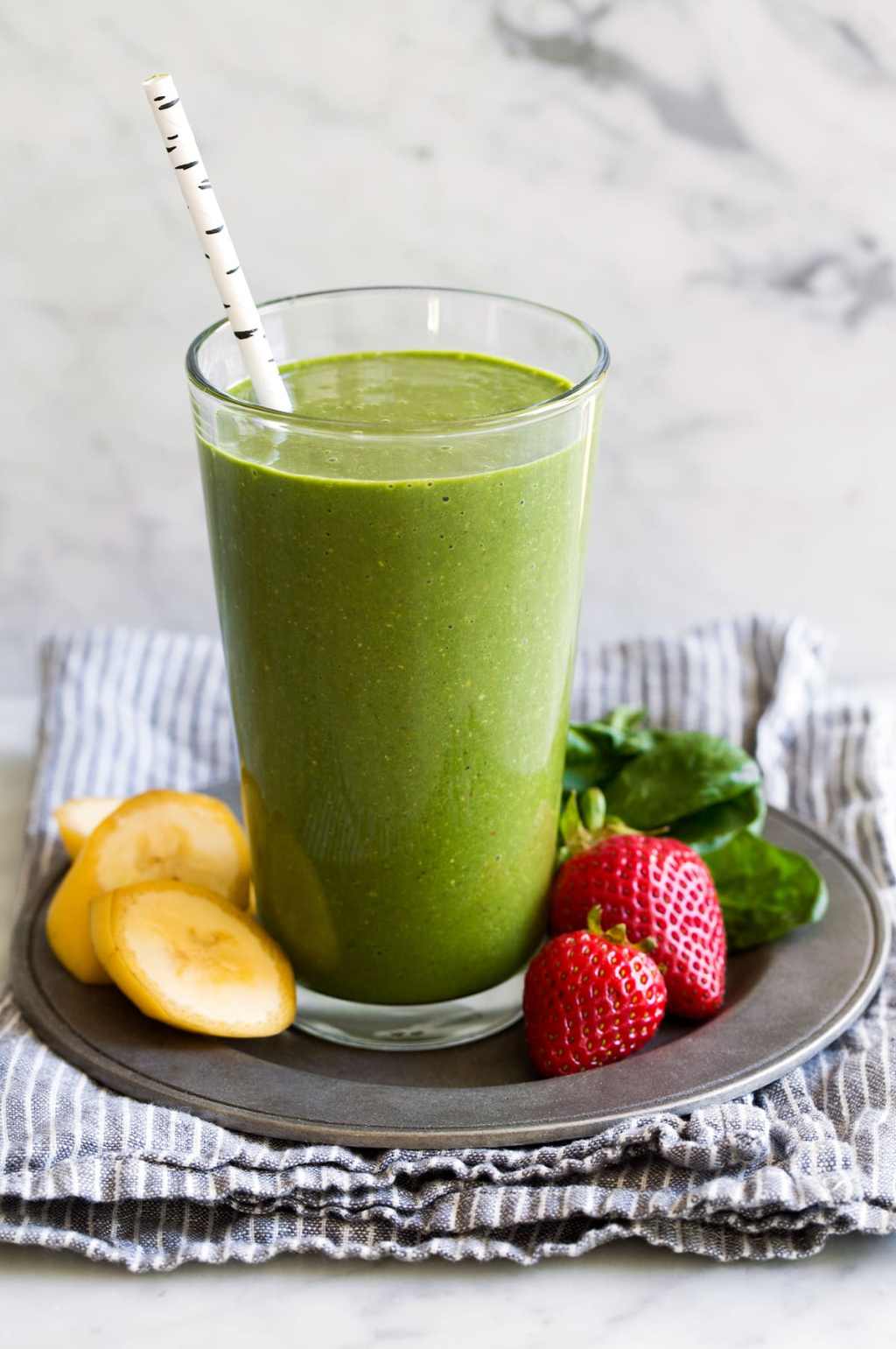
- A Super Smoothie – Not to state the obvious, but fruit and vegetables are pretty healthy, so the more we can cram in, the more able our body will be to cope with daily life stressors, recover from workouts, and avoid illness. Blending a myriad of fresh or frozen produce into a drink, along with a few extra magic ingredients, creates a breakfast that nourishes, satiates and fuels for the day, even when you’re on a time crunch. In truth, there are countless potential mixtures, but this one would work well;
- •A handful of spinach – Naturally high in nitrates, spinach can act as a vasodilator, thus contributing to lower blood pressure and resting heart rate. Alongside this, it is a source of iron, countless antioxidants, and potassium, one of the essential electrolytes we lose through sweat, and which helps regulate muscular contractions. As a result, potassium is key to maintaining a well-functioning heart, and fighting post-exercise inflammation, thus helping us to recover faster.
- •200g Greek yogurt* – WHOOP founder, Will Ahmed, is reported to start his own day with several eggs, as they are a complete protein source. Breakfasts featuring plenty of protein keep one full, prevent sugar crashes and keep cravings at bay later on. 200g of Greek yogurt makes the smoothie delightfully creamy, and provides around 20g of protein (equivalent to just over three large eggs), making it a great choice for muscular recovery and
- •1 tbsp Chia Seeds – Small but mighty, chia seeds are one of the few plant-based sources of omega-3 fatty acids so nourish the brain to keep cognition at its peak. Furthermore, their fat and fibre content means they’re likely to keep you full throughout the morning, staving off the temptation to reach for biscuits or caffeine that could impact your sleep quality that evening.
- •30g of rolled oats – Rolled oats are one of the best sources of complex carbohydrates in the game. Their fibre-rich composition means they break down slowly, provided you with steady energy to keep you nourished throughout the day (without causing blood sugar spikes and troughs) and replenish muscular glycogen stores after exercise. Furthermore, they contain beta-glucan – a soluble fibre which aids gut health, and is linked to lower cholesterol, therefore allowing the heart to perform at its most efficient.
- •200g Frozen berry mix – Berries are rich in anthocyanins and other polyphenols that have strong anti-inflammatory properties, so can help ease exercise-induced muscle damage and improve recovery from exercise. Furthermore, they may help to lower resting heart rate, as antioxidants support cardiovascular health. In the UK, frozen fruit is often a wise choice, as it is frozen very soon after being picked when it is packed with the most micronutrients, and its more affordable! Not only this, but by opting for a ‘mix’, rather than a single fruit, you gain wider variety of vitamins and minerals. (Or ‘plant points’).
- •Coconut water – Fruit juice, milk or water all work as a thinner in smoothies, but unsweetened coconut water provides the electrolytes potassium, magnesium and calcium, which support muscle and heart function. Being properly hydrated can improve strain scores on WHOOP, as it makes it easier for the blood to circulate, increasing HRV and lowering resting heart rate. The body will see having the correct balance of water and salts as an indicator of low physiological stress, and will also enable better recovery from workouts. Aside from the WHOOP scores, electrolytes facilitate efficient conduction of signals between brain cells, hence many people report reduction in ‘brain fog’ when they stay on top of their needs.
- •A squeeze of lime – though predominantly for adding a little zing, lime juice is a great source of Vitamin C and antioxidants, therefore help the immune system battle pathogens, and keeping recovery high, and strain low, as a result of consistent good health.
*Greek yogurt is not the same as ‘greek-style’ yogurt, and the latter is often lower in protein. Furthermore, if you follow a vegan diet, there are alternatives which offer a similar texture and flavour, but rarely contain as much protein, so it may be worth adding a vegan protein powder too. For some individuals, a higher fat Greek yogurt may be optimal, particular for women who require higher proportions of dietary fats to support their hormones, for example, for others.
Mid-Morning
Snacking is often demonised, yet providing we opt for balanced, nourishing options, there is no reason why eating between meals will sacrifice WHOOP scores. In fact, going too long without food is more likely to have a negative effect on your performance. For early risers, those who are particularly physically (or mentally) active, those who have to have a light breakfast, or simply those with higher energy needs, snacking can be extremely beneficial. It can help stabilise blood sugars, reduce intense hunger pangs, and keep the metabolism working consistently and efficiently. If you get to noon feeling utterly starving, it is more likely that you will make less nutritious choices that will hinder WHOOP recovery scores, or scramble desperately for extra coffee in search of an energy boost.
Not only this, but extended periods of hunger will put the body in a state of stress – increasing strain scores – thanks to the ‘fight-or-flight’ response, and elevated cortisol and adrenaline levels. In particular, snacking post workout can accelerate the recovery process, reduce soreness, and prevent excess fatigue.
Critically, if snacking means you are able to intake adequate calories, then it is most certainly a wise move. Under-eating will compromise athletic and mental performance, as the body simply doesn’t have the energy to recover, and can manifest as higher resting heart rate, lower HRV, poor, fragmented sleep with frequent awakenings, and potentially higher respiratory rate.
This being said, diving into a packet of custard creams probably isn’t wise. As an ultra-processed food, they are very easy to overeat, and are generally low in fibre, and high in refined sugar and saturated fat. As a result, its likely you won’t feel particularly satiated, and, if you are consistently consuming half a packet of bourbons come 11am, WHOOP lifespan and recovery metrics will suffer…
(The odd treat is unlikely to kill you, its consistency and habits that will make a difference!)
So what should we nibble on mid-morning?
1. For endurance bunnies – The recommended carbohydrate to protein ration for endurance exercise (such as cycling, running or swimming) is 3-4g of carbohydrates, for every 1g of protein (depending on the length of the session). Its does not have to be precise to do the trick, but the general idea is that this will provide the muscles with adequate glycogen to rebuild their stores, and enough protein to repair micro tears, therefore ensuring WHOOP recovery scores remain in the green the next morning, and making it more likely you are able to get up and train the next day. Many runners swear by chocolate milk for a rapid refuel, but for added vitamins something like cottage cheese with pineapple. 400g of pineapple with 300g of cottage cheese would deliver a 3:1 ratio, and adding one slice of wholemeal bread would turn that into a 4:1 situation. Pineapple is an ideal choice for post – training, as it contains bromelain; an enzyme that helps one digest protein, and also reduces inflammation, therefore further enhancing recovery efficiency. What’s more, cottage cheese provides 83mg of calcium per 100g, therefore supporting structural bone strength repair of bone tissue, especially after training.
2. For heavy lifters – Strength training produces more microscopic muscle damage than endurance work, so the ideal ratio shifts to 2:1 carbs to protein, because whilst lifting weights requires energy from carbs, protein becomes the priority. Something as simple as 200g of cooked, lean chicken breast, and one medium banana would deliver a perfect ratio.
3. For a brain boost – Mental work is equally as deserving of a mid morning snack as physical energy, and we can view snacks as another opportunity to pack in nutrients which will boost recovery. The type of food we reach for to break up a work block can also impact cognitive function. For example, B Vitamins are linked to improved memory, antioxidants can aid blood flow to the brain, and incorporating fibre into can help sustain energy levels for longer, and keep blood sugar steady. Interestingly, foods high in tyrosine – an amino acid which is converted to dopamine, one of the ‘happy hormones’ associated with reward and motivation – could also aid concentration, as it plays a significant role in learning and attention processes.
Finally, unsaturated fats are key when it comes to feeling clever. In the first instance, fat is the most satiating macronutrient, so will ‘fill the gap’, they also lower LDL (bad) cholesterol, therefore help the cardiovascular system function as it should, and may fight inflammation; facilitating better short and long-term WHOOP feedback. Additionally, around 60% of the brain is composed of fat tissue, so omega-3s in particular are vital to neuron health and supporting the formation of neural pathways.
For a savoury option, edamame beans are ideal. They can be bought frozen and defrosted, or fresh in their pods, and are a complete protein – so will keep you satisfied and assist with muscular recovery. A rich isoflavone content makes them anti-inflammatory, so they may help keep strain scores in check, and, critically they are high in fibre, healthy fats, vitamins and tyrosine. Portability is also important when it comes to snacks, so edamame are ideal.
For a sweeter note, greek or natural yogurt with blueberries, dark chocolate and chia seeds is a dream combination. In addition to its stellar protein content, yogurt is another tyrosine rich food, and contains live bacteria which contribute to gut health. (A healthy gut has been shown to positively influence WHOOP recovery and strain markers). The blueberries are riddled with antioxidants, thus protect the brain as we age, and the pumpkin seeds are a source of omega-3s and zinc, which is necessary for brain development, memory, and cognition.
Besides being tasty, the dark chocolate helps curb sugar cravings, and contains a little caffeine, which (providing you’re having it in the morning) can boost energy and concentration. The higher the percentage of cocoa, the more flavonoids the chocolate will contain, and these boost blood flow, therefore may help with brain function, and improve heart rate readings on your WHOOP.
Lunch
Often overlooked in its importance, a balanced midday meal can make a markable difference to strain, recovery and sleep. As we know, going too long without eating increases physiological stress, and makes day-to-day tasks feel harder, thus placing even more strain on the body, and leaving less energy available for workouts and wellbeing habits that could lower WHOOP age and increase longevity. Additionally, skipping lunch may mean you are forced to catch up in the evening, resulting in compromised sleep.
Whilst the increasing number of us ‘working from home’ has meant that weekday lunches at the table have experience a little resurgence, many of us are still forced to pack up a meal, or grab something ‘on the go’ to consumeal desko. However we acquire our lunch, there are options for each that will help maximise WHOOP scores. Fibre and a good balance of all three macronutrients will be key to keeping you going through the afternoon, and allowing your body to recover from mental and physical strain, whether that be a morning workout or just a long day of meetings.
1. The meal deal / supermarket raid – Albeit supermarket ‘grab and go’ sections can be a recipe for energy crashes, bloating, and poor concentration throughout the afternoon, this doesn’t have to be the case. Of course, opting for two slices of gala pie, a bag of steak flavour crisps, a mars bar and a Lucozade probably isn’t ideal. In fact, this would provide a whopping 1405 calories, and 24g of saturated fat – more than the daily recommended intake of saturates for women! Calories aren’t categorically bad, of course, but poor eating may manifest as physiological stress in the same way underrating can, and excessive consumption over a long period of time will lead to weight gain and an increasingly unfavourable body composition, thus accelerating your WHOOP rate of aging. Not only this, but saturated fats in this quantity tend to decrease HRV and increase HR, and increase cholesterol levels over time.
Critically there would be a distinct lack of vitamins in this meal, and despite the vast amounts of energy it contains, you’d likely spend the afternoon feeling sluggish and bloated, as fat slows down digestion.
Thankfully, simple swaps can make a huge difference.
Some kind of salad with protein and grains is likely to be the optimal option, but a tuna and sweetcorn sandwich on wholegrain or seeded bread also provides a fairly decent amount of fibre, which will help stabilise energy levels throughout the afternoon. Around 22g of protein will help with muscular recovery, and the tuna is a source of omega-3s. For a snack, a yogurt is always a sound choice, or a pot of boiled eggs. Alternatively, a pot of mixed olives puts a mediterranean spin one things, and will be teeming with polyphenols, unsaturated fats and vitamin E – which not only supports skin health, but facilitates improved blood flow too, further improving WHOOP metrics. Water is the obvious choice of drink, but if you’re in the market for something a little fancier, a smoothie with fruits and vegetables – albeit high in naturally occurring sugars – will boost the fibre content. The key is to look for blends where the ingredients are all recognisable, and not from concentrate. Innocent and Mockingbird Raw Press tend to fit the bill, but Naked (ironically) uses added colourings and concentrated juices, meaning some nutrients may have been lost, in the dehydration process.
Its relatively easy to find enough protein in the meal deal section, however, fibre can be a little more difficult, and this is pivotal in supporting a healthy gut, keeping inflammation low, and strain and recovery in check as a consequence. Overall, the tuna butty, olives and smoothie would contain a fairly respectable 24g of protein, and 9.4g of fibre, but to bring yourself a little closer to the advised 30g of daily roughage, it might be worth venturing into the fresh produce realm and grabbing a bag of carrot batons to pick at; just half the pack is a spectacular 6g!
2. The City Slicker – These days, anyone who finds themselves based out of an office in central London is inundated with choice for fresh, nutritious food that they can pick up on a lunchtime stroll. Its a more expensive choice than a homemade meal or a supermarket trip, and obviously, these options are much more limited in smaller towns and cities, but for the London folk its possible to dine at a different outlet every day of the week. So what’s the most WHOOP friendly choice at some of our favourites?
Pret – With approximately 500 locations across the UK, and almost 300 in London, you’re never too far from a Pret. Settling for their ‘Three Cheese Sourdough Toastie’, a slice of ‘Nutty Pistachio & Almond Loaf Cake’ and a hot chocolate would accumulate an astonishing 1566 calories and 37.7g of saturated fat, therefore is best reserved for an occasional treat. However, Pret’s menu is all freshly made in store, and has very recognisable ingredients, indicating a less intensive level of processing. For a warming winter meal, swapping the toastie for a ‘Mexican-Style Bean Hot Wrap’, a cup of ‘Rich Garam Masala Lentil Soup’, a piece of whole fruit, and a herbal tea would leave you with over 30g of protein, around 20g of fibre and innumerate vitamins. In fact, their ’Super Plates’ are potentially even better; offering a beautiful balance of grains, omega-3s and bright veggies, but Pret really excels in making humble beans and pulses sexy: they provide a pre-biotic packed, plant-based source of fibre and protein that encourages stable energy levels and supports heart health, thus helping you recover well from workouts and other strain, and keeping you on top form for the rest of the working day.
Atis – If DIY is more your style, Atis is one of many customisable salad establishments. They prioritise seasonality, and – in their words – fuelling ‘people who move with purpose’, both in a physical and corporate sense. You’d be hard pushed to find an ‘unhealthy’ choice in Atis, and even though some of the dressings are relatively high in saturates, there is always the option to have it on the side. Potentially the ultimate WHOOP – friendly bowl, however, would be the ‘Chipotle Chile Salmon Power Plate’, which boasts 36g of protein and plenty of brain-boosting healthy fats from the oily fish, along with the fibrous whole grain rice. Of course, if spinach isn’t your thing, Atis lets you swap it for various other greens and grains, but in all honesty, the chipotle lime dressing makes anything taste good, and Spinach is rich in iron and magnesium, which help fight fatigue and support muscle function, leading to better recovery scores. The best part is that you could easily add avocado, egg, or even another piece of salmon for extra gains, or fully embrace your creative side and build an entirely unique salad with substance for yourself!
Farmer J – Another option which lets you construct a culinary masterpiece from a plethora of sustainably sourced hot and cold dishes, or choose one of their signature combinations of ‘Fieldbowl’ or ‘Fieldtray’. The whole menu is fairly ‘WHOOP compatible’, but Farmer J really excels in making veg sexy. For example, a meat-free Fieldtray might feature ‘lime leaf tofu’, ‘farmer’s grains’, ‘spiced date sweet potato’, ‘ponzu sesame broccoli’, and a chimichurri dressing. Top the whole thing off with a boiled egg and you’ve got 19g of fibre, and 32g of plant-based protein. Sweet potato is somewhat of a WHOOP weapon; compared to the classic spud, they contain more fibre and vitamin A, and generally have a lower glycemic impact, meaning there is a slower release of energy into the bloodstream, allowing them to keep you feeling fuelled for a little longer. In terms of recovery, their balance of carbohydrates and vitamins may be a game changer, facilitating accelerated post-exercise recuperation.
itsu – From sushi, to curry, to noodle bowls, itsu have no shortage of vibrant asian-fusion offerings to bring a little bounce to your lunch hour. The brand is built on wholegrains, greens and goodness, and are dedicated to steaming food, rather than frying, thus locking in the nutrients. One of their standout dishes is a Thai salmon curry, which not only provides 12 ‘plant points’, but ample omega-3 fatty acids, and nearly 30g of protein too. As a result, it would be a great choice for optimising WHOOP recovery, and building a healthy brain. For a little extra warmth, a cup of miso soup is worth a try. Often dubbed a ‘superfood’, it contains a B vitamins (like B12, folic acid), Vitamin K, Vitamin E, and some Vitamin C, alongside essential minerals like zinc, manganese, copper, and iron. Thanks to the fermentation process, these nutrients become more accessible too.
The downside to these ‘gourmet’ grab and go options is that they come with pretty hefty price tags, and in truth, with enough effort and preparation, you could probably replicate these dishes at home. However, there’s a lot to be said for convenience, and the ability to choose exactly what you fancy, rather than whatever you meal-prepped at the weekend!
3. The butty box – The most affordable way to keep yourself fuelled throughout the working week is, undoubtedly, to prep your melas at home. There are a myriad of was in which you could combine wholegrain, legumes, vegetables, lean protein and healthy fats to create a week’s worth of nourishing lunches that would look utterly divine piled up in aesthetic glass containers in your fridge. Nevertheless, there’s one British classic which epitomises portability, and is far too often overlooked; the sandwich.
If you grew up in the UK, its not unlikely that your lunch box – emblazoned with your favourite cartoon character, of course – consisted of a buttered white roll containing a meagre slice of processed ham, some Hula Hoops, and a Penguin if your were lucky. Of course, the you may also have carried a sad-looking tangerine with you, but this was generally carried back home at the end of the day too.
Thankfully, there are ways to make the sandwich a little more ‘grown-up’, and significantly more WHOOP – friendly.
The glow-up begins with the bread. As ever, anything ‘wholegrain’ is better as it will provide a more sustained energy release and plenty of gut-loving fibre. Whether you go for seeded, rye, or sourdough doesn’t really matter, and whilst most store-bought loaves do contain additives and fortifications, for most people these won’t cause harm. If you have time to bake fresh, multigrain sourdough bread each week then that’s great, but most of us don’t! Wholemeal pitta breads make for a fun twist on the butty, and they’re easy to fill. Continue the Greek vibe with a filling of smashed chickpeas, red onion, feta, olives, lemon juice and dill. This will deliver a balance of protein, healthy fats and micronutrients. On the side, chopped bell peppers and cucumber with hummus will feel both healthy and satisfying, and for a sweet treat, there may be value in including some chocolate… Dark chocolate raisins, which combine our favourite indulgence with some fibre, and are actually full of antioxidants and iron, can satisfy a sweet tooth, whilst not being completely void of benefits. Including treats like this in moderation means we don’t feel deprived of chocolate, and therefore are less likely to fall head first into a bag of Dairy Milk Buttons that evening.
What’s more, chocolate raisins are ideal for a quick hit of fast-digesting, pre-workout glucose, so are great if you’re planning on hopping from the office to the gym. Adequate energy may allow for higher intensity or longer duration training – from which you may see more long-term benefits – and training fuelled means your body can run on glucose, rather than beginning to break down muscles, hence recovery will be faster, and unnecessary strain will be avoided.
Dinner time!
At the end of the day, the focus shifts from powering your performance in the office or the gym, to recovering, and priming the body for sleep.
Beyond avoiding caffeine, alcohol, and high fat and sugar foods that could impact slumber, WHOOP’s blog advised eating a final meal 2-3 hours before bed, as digestion can disrupt deep sleep, and it may ‘confuse’ our circadian rhythm. However, for the majority of us, long hours, late workouts, commutes and family commitments make this either impractical or impossible.
So, having finished work at 6pm, changed, been to the gym, and commuted home, its already 8pm. By the time you shower and do some domestic admin, its 8.30pm, and it would be all too easy to resort to a microwavable ready-meal with an unfortunate dearth of greenery, but more added salt than is ideal.
Nevertheless, a dinner that is both quick to make, and easy to digests is key. What’s more, foods high in tryptophan – a precursor to the sleep-inducing chemicals serotonin and melatonin – may help you nod off more smoothly. In order to be effective at promoting sleep, tryptophan has to compete with other amino acids therefore it is necessary to combine tryptophan-rich foods with carbohydrates, as they stimulate the release of insulin, which helps to clear other amino acids from the bloodstream enables tryptophan to reach the brain.*
The list of ‘sleepy foods’ includes salmon, cod, and turkey, along with seeds, oats and legumes like lentils. Of course, vegetables should absolutely feature in your evening meal, but particularly fibrous or cruciferous veggies like broccoli, cauliflower, and cabbage may trigger digestive discomfort, and the high water content of things like tomatoes and cucumber may result in an excess of nighttime toilet trips! Instead, magnesium-rich greens, kale, sweet potatoes and peas, are better in close proximity for bed.
Super Speedy Salmon: Salmon, brown rice, avocado and peas topped with sesame seeds.
Salmon once again reigns supreme in terms of WHOOP satisfaction. Lean protein facilitates muscular recovery, fills you up so sleep isn’t disrupted by hunger, and provides valuable anti-inflammatory omega-3s. Brown rice contains tryptophan, is a source of magnesium (involved in calming the nervous system and promoting relaxation) and is a complex carbohydrate, so encourages stable blood sugar levels throughout the night, facilitating improved sleep quality. Perhaps most interestingly, it can encourage GABA production. As the main inhibitory neurotransmitter of the CNS, GABA soothes anxiety, and helps us relax into sleep. Like most veg, peas are antioxidant rich, so support immunity, overall health and cardiac wellness, and avocado provides magnesium and folate, which help with muscle relaxation and melatonin production, while fibre and fats prevent hunger pangs, reducing nighttime awakenings. Finally, sesame seeds are not only a source of tryptophan, but calcium too, which is vital.
What makes this supper really shine, however, is its speed. Pre-cooked poached salmon fillets, microwavable rice and frozen peas mean you can put it together as quickly as you could prep that microwavable curry.
Sweet potato and tempeh traybake: Tempeh is a traditional Indonesian protein source made from fermented soybeans, formed into a firm, sliceable ‘cake’. Not only does half a block contain around 22g of protein, but it is a great source of isoflavones; plant-derived compounds which help regulate sleep duration and quality. Tempeh is a great carrier of flavour, so will pretty much suit any of your favourite rubs, coatings or marinades, but its best to avoid anything with too much sugar, spice or saturated fat, as this may disrupt sleep. Greek yogurt marinades, however, are fantastic for keeping food moist, and boosting the tryptophan and protein content of a meal.
For the marinade, mix together 100g of Greek yogurt, 1tsp dried oregano, the juice of half a lemon, 1 tbsp of vinegar, and a 1 crushed garlic clove in a small bowl. Season well with salt and pepper.
Chop 100g of tempeh into cubes, then coat in the marinade and add to a roasting tray. Dice a small sweet potato and one carrot into similar sized chunks, and add to the roasting tray along. Bake for 25 minutes, at 180 degrees fan, then give it a shake, add 250g of mushrooms, two slice spring onions and 30g of olives, before baking for another 15 minutes. Plate up, and top with another dollop of Greek yogurt.
Albeit this takes a little more time, it requires pretty minimal labour, and the tempeh makes for a fantastic plant-based protein option. What’s more, the homemade marinade allows you to avoid preservatives, excessive sugar or sodium, and additives which could compromise recovery and sleep, and instead reap the probiotic, protein and calcium benefits of the yogurt.
*the extent of the effectiveness of tryptophan-rich foods is still being researched, yet it certainly can’t do any harm to include them!
The Last Hurrah
Eating just before bed is a complex issue. Whilst overloading the stomach just as you’re about to turn the lights out probably isn’t conducive to optimal sleep, neither is a rumbling tum.
The classic combination of a creamy hot cocoa and a few milk chocolate digestives might sound comforting, yet not only may the influx of sugar cause glucose spikes that disrupt sleep cycles, but there is caffeine in the chocolate, and the fat may have your digestive system working into the early hours.
Instead, low fat dairy, porridge, nuts and certain fruits may offer a better way of satisfying a late-night sweet tooth.
Whilst oats are generally considered a breakfast food, they trigger serotonin production, therefore are perfect for a warm and comforting bedtime meal. Furthermore, oats are likely to contribute to long-term heart health thank to the beta-glucans they contain.
In a pan, combine 60g of rolled oats and 240mls of milk – a (minimal ingredient) oat milk tastes delicious, or low fat dairy milk will pump up the tryptophan content. Simmer gently until the porridge has reached your desired consistency. For natural sweetness, top with raw honey – which reportedly helps to stabilise blood sugar and reduce adrenaline – and sliced banana. Bananas, although high in carbohydrate which some people find disturb sleep, are also very rich in potassium and magnesium, two minerals renowned for their positive effect on sleep.
For maximum sleep-promotion, finish of the bowl of goodness with some sliced kiwi, and cherries. Kiwis are very high in serotonin, and cherries are rich in melatonin, in addition to having potent anti-inflammatory properties which are renowned for their positive impact on exercise recovery. Sprinkle with almonds or pumpkin seeds for another magnesium hit, more tryptophan and additional healthy fats for satiation.
For additional protein and flavour, you could always add a whey or vegan protein powder. In particular, casein proteins, which are slow digesting so deliver a sustained release of amino acids throughout the night, are often considered best for muscular recovery, therefore may contribute to better WHOOP recovery scores. Once again, looking for powders with fewer additives, fillers and sweeteners is the way to go, as these are often gentler on the digestive system.
The Takeaway: Don’t get a takeaway
How and what you eat is entirely up to you. Some individuals might thrive on super-high protein diets, and minimal carbs, whereas others might cringe at the thought of a meal without rice. There is no ‘right’ or ‘wrong’ way to eat, and there are a multitude of factors which may affect what we enjoy, and when it benefits us most. Critically, no matter how impressive the WHOOP technology might be, it cannot tell us how we feel, so whilst trialling diet changes to improve WHOOP statistics can be interesting, it is not a guaranteed way of becoming ‘healthy’.


 The Sprightly Spud
Leave a comment