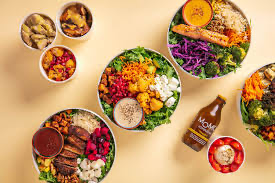
Its 12.22pm on a drab January Monday. A fine drizzle dusts the pavements, yet this does nothing to deter the swathes of office workers escaping their desks in pursuit of some fuel to get them through the afternoon. High heels click with alarming pace to their favourite haunts, and smartly-suited finance bros seek out sustenance for an afternoon of sculpting spreadsheets.
Streets like Liverpool and King William are peppered with opportunities to acquire much-needed nourishment, and over the years, their offerings have become increasingly varied and diverse. Whether you’re craving a burrito, sushi or simply a sandwich, there are ample outlets to choose from. Nevertheless, there is one concept which seems to be taking the city by storm…
The sexy salad.
For many professionals, the lunch hour is a precious moment of calm amidst corporate chaos. Throughout winter, early sunsets and long commutes mean it is often the only chance to snatch some daylight, and fitness fanatics may use the time to squeeze in a spin class or streamlined gym session. There is only so much you can do in 60 minutes, so food choices have to be satisfying, suitable for al desko consumption, and, perhaps most importantly, available to pick up in a flash.
Yes, supermarket meal deals can do the trick, and the likes of M&S have certainly levelled-up their lunch game, nevertheless, there’s something significantly more romantic about a hand-crafted bowl of greens and grains, full to the brim with freshly mixed blends that no-one could be bothered to make at home.
This being said, premium lunches from the likes of Atis, Salad Project and Farmer J come with premium price tags, so what is it about these salads that has us in such a chokehold?
- January
Gym-rat or not, few people start the year with an aim to nourish their body less effectively than the year before. As a result, salad is generally a pretty good choice when it comes to prioritising nutrition. Whether you’re hunting for something a little lighter, or a more calorie dense solution, there are bases and toppings to fulfil your needs. Not only this, but with the word ‘protein’ on the tip of everyone’s tongue, flavourful animal and plant-based sources of muscle-building amino acids are a pivotal. From Garlic Butter Steak (42g of protein), to Gochuchang Salmon (25g), to Sesame Chilli Tofu (24g), there are no shortage of powerhouse protein options, and that’s before the addition of beans, cheeses and dressings which boost the content further.
- Variety
Individuals who meal prep on a Sunday, and proceed to eat the same – increasingly stale – breakfast, lunch and dinner for the rest of the week, deserve medals. Preparing five days of food at home is likely to be the most economical way of ensuring you’re fuelling with high-quality, balanced meals when time is short. Nevertheless, this relies on having the foresight and energy to cook on a Sunday, and the stamina to consume the same combination of carbs, fats and protein five days on the trot. Albeit the sexy salad bars are more expensive, they allow you to travel to a different culinary continent each day, should you so desire, and inevitably taste a little fresher than something that has been sitting in your fridge all week.
To top it all off, even the most able of home cooks are rarely whipping up a fresh chimichurri or a batch of furikake seeds at 7am on a Tuesday morning, so investing in a salad-to-go is a sure-fire way to avoid flavour fatigue, with minimal effort.
- Seasonality
Salads are not just for summer, and thanks to menus that adapt to the changing weather patterns and availability of produce, SP, atis and Farmer J celebrate seasonal produce with heartier dishes in the colder months, and fresher, lighter offerings when the weather warms up (at least slightly). Not only does this allow the brands to support British farmers and suppliers, and reduce their carbon footprints, but seasonal eating benefits our own health too.
The more abundant a fruit or vegetable is, the less time it spends in transit and storage, meaning it retains higher levels of vitamins, minerals, and antioxidants. Furthermore, changing the things we consume from time to time ensures consumption of a diverse range of foods throughout the year, meaning we get access to a greater variety of nutrients.
- Personalisation
For those who crave a snap-decision when it hits 12pm, atis, Farmer J and SP all have a variety of pre-programmed bowls to choose from. Nevertheless, if lunchtime is your opportunity to embrace your inner culinary innovator, then these outlets let you personalise to your heart’s content, combining flavours from across continents, and catering to any dietary needs you might have. Not only this, but if gut-health is your vibe, then each outlet offers a host of tangy pickles, ferments and wholegrain to keep your microbiome as happy as your tastebuds.
- Bragging rights
Cast your mind back to primary school, and its likely the burning envy you felt towards Jimmy’s Wagon Wheel comes flooding back. At 32, you may have gained a little maturity and a job in corporate compliance, yet there is still something pleasing about having a lunch that looks more appetising that your neighbour’s. With packaging as vibrant (and environmentally friendly) as the content of the bowls, those coworkers who have stuck to their meal prep resolutions will be weeping into their dry chicken and rice as you tuck into your succulent ‘High Steaks Power Plate’. What’s more, everyone will know you’re in your health queen era, and there are few feelings more satisfying than that.
- Loyalty and community events
atis and Salad Project excel in curating community. Not only can you earn points every time you dine, which, over time, equate to free food, but they host events such as run clubs, pilates classes, and even talks from inspirational business people, to build a network of individuals, with a shared obsession for salad. For the customer, this instils a sense of belonging, and makes us feel valued, but it also established the brands as purveyors of more than just good food, but good vibes too.
SP’s best for…
Protein
‘Build Your Own’ is the way to go if you’re a protein fiend, as, in theory, you could add 5 portions of Cajun Chicken Thighs, which would equate to 216.8g even without any bases, extra toppings or dressings. If a bowl of pure chicken isn’t your style, combining spiced chickpeas, kale and spinach, beans and peas, corn, furikake seeds, both types of chicken, walnuts, hummus and goats cheese, before topping with the ‘sesa-miso’ dressing, would total 139.2g of protein – more than most people require in a whole day. Albeit this would also pack in 1753 calories, and cost £21.75, a 10oz New York Strip and fries could easily cost more than this, and only contain 70g, along with significantly fewer of your 5-a-day.
Alternatively, the BBQ Protein Bowl is a great shout, with 82.7g of protein. What’s more, even with an extra portion of chicken thighs, and some hummus and goats cheese, this would deliver 145.8g, and cost £20.05. Not bad for a salad!
Gut Health
The key dietary guidelines for a healthy gut are plenty of fibre, a diverse range of plant-based foods and pre and probiotics. Inevitably, there are all the usually lifestyle factors at play too, but its food that has the biggest impact on our microbiome. By design, a salad will be significantly less processed, have a greater variety of plant compounds, and significantly more fibre than a supermarket sandwich, and there are certain choices that really boot the gut-loving nature of your lunch.
Starting with a base of kale, spinach and chickpeas starts you off with just over 17g of fibre, including a specific prebiotic called galactooligosaccharide from the chickpeas, which feeds good bacteria. Broccoli and peas and cherry tomatoes provide additional antioxidants and polyphenols, then pickled onions act as a probiotic (so contain ‘good’ bacteria which increases biome diversity) and furikake seeds are not only another source of fibre and polyphenols, but omega-3 fatty acids too, which are linked to a happy gut, as well as improved cardiovascular health. For a hot protein, falafel would offer the most fibre, but sesame chilli tofu containsisoflavones, and easily digestible protein, thus helping to reduce gut inflammation and support the intestinal lining. Not only this, but soy foods are also associated with long-term colon health. Finally, add crumbled parmesan – which, as an unpasteurised, aged cheese, adds a delightfully salty flavour, and more probiotics – and the apple cider vinaigrette, which could aid digestion, and provide acetic acid, which can kill harmful bacteria and promote balance within your gut’s ecosystem.
Overall, the 26.3g of fibre in this salad would put you in great stead for hitting the recommended 30g per day, and at least nine of your 30 weekly ‘plant points’. This last guideline refers to the American Gut Project’s initiative of eating 30 different types of plants per week, with the aim of cultivating gut diversity. Fruits, vegetables, nuts, seeds, whole grains, legumes, herbs, and spices all count, and the idea is quality, not quantity, so even a handful of seeds, or a clove or two of garlic contributes!
For the Vegans
For plant-powered warriors, lunch options can sometimes be limited, lacking in nutrition, or outstandingly bland. Not only this, but vegan supermarket meal deal choices often rely on highly processed ingredients, and can contain a surprising amount of salt and fat, and some have no vegan sandwich options at all. Furthermore, though a vegan diet can provide all the nutrients we need, vitamin D, vitamin B12, iodine, selenium, calcium and iron, can prove a little more difficult to find than on a meat-based regime.
Many of the chef-curated plates at atis, SP and Farmer J are already suitable for plant-based fold, and pretty much all of them can be personalised to substitute meat or fish for plant-based proteins.
Thanks to their ‘plant forward’ ethos, atis seems to have the greatest variety of vegan choices, and when ordering via their online click and collect platform, its strikingly easy to distinguish what’s safe, and what’s not. Equally, SP offers ample opportunity to nourish…
A base of spinach and chickpeas provides an initial boost of iron, then corn, furikake seeds, and broccolli and peas top up the selenium, omega 3 and protein content. Opting for sesame chilli tofu as a hot premium means you get a ‘complete protein’, some calcium, iron, zinc, copper, magnesium, and phosphorus. Hummus adds to the healthy fat content, and the sesa-miso dressing unites everything under an umami umbrella.
For all UK residents, vitamin D can be somewhat elusive, therefore followers of any diet are sometimes forced to take supplements. Nevertheless, mushrooms exposed to UV light or calcium-set tofu, are potential vegan sources, as are fortified milks and yogurts. Its not clear whether SP’s tofu is calcium-set, but its certainly the most likely suspect for providing vitamin D!
Overall, this vivid vegan bowl would pack in an impressive 60g of protein! This is particularly pleasing, given that Tesco’s ‘Hoisin Vegan Wrap’ contains just 16g, and Sainsbury’s’ ‘VLT’ an equally measly 17g.

 The Sprightly Spud
Leave a comment