One of the many phrases ricocheting around the wellness world of late like an unruly garden pea, is ‘anti-inflammatory diets’. Put simply, this refers to structuring your eating around nutrient-dense, whole foods, which may reduce excess inflammation within the body. As fads and trends go, its fairly non-toxic and uncontroversial; rather than cutting out whole food groups or slashing energy intake, the principal aim is to incorporate more goodness, from foods like green leafy vegetables, nuts, oily fish and fruits, which we already know to be ‘healthy’.
‘Inflammation’ is perfectly natural and normal, but like so many things, moderation is key. Every time we get a cut, injury, infection or even take part in exercise, our immune system responds by
releasing chemicals that flood the damaged area with blood containing cells that clear out harmful particles.It is a critical defence mechanism, and the effect is temporary. For example, the day after a heavy weights session, you’ll likely notice some soreness, and potentially even some visible some mild swelling. Over the next few days, as the micro tears in your muscles repair, the pain and stiffness will ease, indicating that the muscle has recovered. Not only do DOMS effect all standards of athlete, but the increase of blood flow and nutrition to the micro trauma is what helps them build back stronger.
When inflammation becomes problem, however, is when it is ‘chronic.’
Chronic inflammation happens when this defensive response is engaged for a long period of time – essentially leaving the body on ‘high-alert’ for months or years, even when there is no ‘danger’. There is a persistent release of inflammatory immune cells, which eventually begin to attack healthy tissues and organs, and this may manifest as symptoms such as consistent joint pain, rashes, mental health issues, weight gain, fatigue and general pain. The severity of the effects of chronic inflammation will vary from person to person, and the potential causes are equally as diverse. In some individuals, the culprit might be lifestyle factors such as smoking or lack of exercise, whereas others may suffer as a result of autoimmune disorders like rheumatoid arthritis or psoriasis.
The main concern is that chronic inflammation is associated with a number of diseases such as diabetes, cancer, and Alzheimer’s. It particular, it can have a drastic negative effect on heart health, as inflammation damages blood vessel walls, allowing fatty material to build up. Identifying this material as a foreign body, the immune system triggers a further response, and the fatty tissue grows and becomes unstable, leaving it vulnerable to forming a clot. Clots can block blood flow, and cause heart attacks or stroke, hence why we are so keen to keep inflammation under control.
As is so often the case, adhering to a generally healthy lifestyle will help prevent excessive inflammation; exercise, avoidance of smoking, managing stress and maintaining a healthy weight will all help, and diet is key too…
Dr Weil’s Advice
Many doctors and dieticians, including Dr. Rupy Aujla and Tim Spector, advocate following the principles of an anti-inflammatory diet. Nevertheless, we have American doctor and pioneer in the field of ‘integrative medicine’, Dr. Andrew Weil, for its initial popularisation.
Rather than being a set regime, with a restrictive, potentially toxic ethos, the diet involves simply choosing foods believed to fight inflammation and limiting those thought to contribute to it. Weil arranged these in a user-friendly pyramid of advice, based largely on Mediterranean and Asian dietary traditions. At the bottom of the pyramid, are items to be consumed in unlimited quantities, and at the top are those that should only feature occasionally, but the outcome should be a balanced distribution of macronutrients, and a diverse range of predominantly unprocessed, whole foods.
The Good Guys
Foods labelled as ‘anti-inflammatory’ are generally rich in antioxidants and polyphenols, omega-3 fatty acids, fibre, gut-friendly bacteria, or all of the above!
Antioxidants help to neutralise free radicals that cause oxidative stress. Free radicals are highly unstable molecules in our environment, created as a result of internal metabolic external factors like air pollutant, pesticides, smoking and diet. The body reacts to free radical exposure with an immune response, thus creating inflammation, hence why antioxidants like Vitamins C, E and Beta Carotene are anti-inflammatory. Polyunsaturated fats (aka omega-3s) produce special anti-inflammatory molecules, and fibre feeds beneficial gut bacteria that produce anti-inflammatory short-chain fatty acids, whilst also playing a role in blood sugar regulation.
So, leafy greens, vegetables, herbs and spices, accompanied with wholegrain carbohydrates, legumes, lean proteins and oily fish, topped with a spattering of fermented items, seems to be the best way to go.
For breakfast, you could whip up some scrambled eggs with spinach, tomatoes and avocado, served with wholegrain toast. The eggs are a source of protein, and contain vitamin D and the antioxidants lutein and zeaxanthin. (If using oil to cook them, olive is best.)
Like avocado, they contain monounsaturated and polyunsaturated fats, including beneficial omega-3s. Our creamy green friend also adds vitamin E, carotenoids, polyphenols and fibre. Spinach is rich in iron, antioxidant vitamins and minerals and phytochemicals that neutralise free radicals. Tomatoes are one of the most prolific sources of lycopene – renowned for its positive impact on heart health – and cooking them in a little olive oil is the best way to increase its bioavailability. Albeit the added sugar or sweetener in ketchup isn’t ideal, it still contains lycopene, therefore adding a dollop of a minimal ingredient brand such as ‘Mr Organic’ certainly wouldn’t do any harm.
Bread-wise, the fewer the ingredients and additives the better. Wholegrain is a must, as this adds fibre, vitamins and minerals, and sourdough is fermented, meaning it may aid gut health and the nutrients may be easier to absorb. What’s more, seeded breads have the additional benefit of extra unsaturated fats.
Alternatively, overnight oats with seeds offers a great make-ahead alternative. Start with rolled oats, which contain avenanthramides, a unique type of polyphenol that reduces pro-inflammatory cytokines, and beta-glucan soluble fiber, which promotes gut health, reduces cholesterol, and supports immune regulation. Stir in chia seeds, pumpkin seeds and flax seeds (and nuts too if you like) for ample omega-3s which are not just anti-inflammatory, but very satiating, and work to thicken the mixture. Then, add unsweetened Greek yogurt – as this is a probiotic – along with grated apple for quercetin, pectic and polyphenols. Grating the apple works well with the oats’ texture, but it also breaks down the cell walls, releasing the enzymes and nutrients, and also making it easier to digest. Add cinnamon and ginger, which have a synergistic effect that may ease joint pain, muscle soreness, and help regulate blood sugar, then add water until the mixture has reached your desired consistency. Cover and leave in the fridge overnight (or for a few hours) then serve with mixed berries (fresh or frozen) as they have been linked lower risks of heart disease, Alzheimer’s disease, and diabetes! If you have a sweater tooth, drizzle over a little honey, or a bit of natural peanut butter.
Wash breakfast down with a herbal or green tea, as varieties like ginger or turmeric are notorious for reducing pain and inflammation. This being said, coffee could work too, as it boasts its own impressive polyphenol profile. Whilst fruit juice may seem like a wise choice it has a high glycemic load, so is broken down quickly, causing surges in blood glucose and insulin levels. These repeated spikes can lead to insulin resistance, which is a pro-inflammatory state.
When lunchtime rolls around
A vegetable and tofu fried rice might offer a surprisingly quick, and extremely nourishing midday option. Brown, black and red rice varieties are loaded with phenolic compounds, such as ferulic acid and anthocyanins, which neutralise free radicals, in addition to containing ample fibre and magnesium. Whilst you can, of course, cook your own, packets of pre-cooked, microwavable rice help minimise effort and time spent cooking. Not only this, but they actually contain more resistant starch – a potent dietary prebiotic that acts as an anti-inflammatory agent by feeding beneficial gut bacteria. Tofu is high in polyunsaturated fats, isoflavones and flavonoids that help to lower blood pressure, and are sometimes linked to reducing joint pain. Virtually any vegetable will work here, so aim for a variety of colours, as this indicates a breadth of nutrients. A delightful combination, however, is garlic, red pepper, broccoli florets, mushrooms and carrot. Finally, making your own sauce avoids the additional sweeteners, sugars and strange ingredients often found in shop-bought versions.
Begin by finely dicing the garlic, pepper, and carrot, then frying them off along with the broccoli florets, in a little sesame oil – which in itself boasts a high concentration of antioxidants like sesamin, sesamolin, and sesamol – after a few minutes, add cubes of tofu, and continue to cook. Meanwhile, mix sesame oil, rice vinegar, lime juice and reduced sodium soy sauce in a small bowl. Cook the rice according to pack instructions, before adding it to the pan with the sauce. Mix well until combine, then serve, topping with a little pickled ginger (the type you have with sushi) for additional probiotic, digestion, and circulatory benefits.
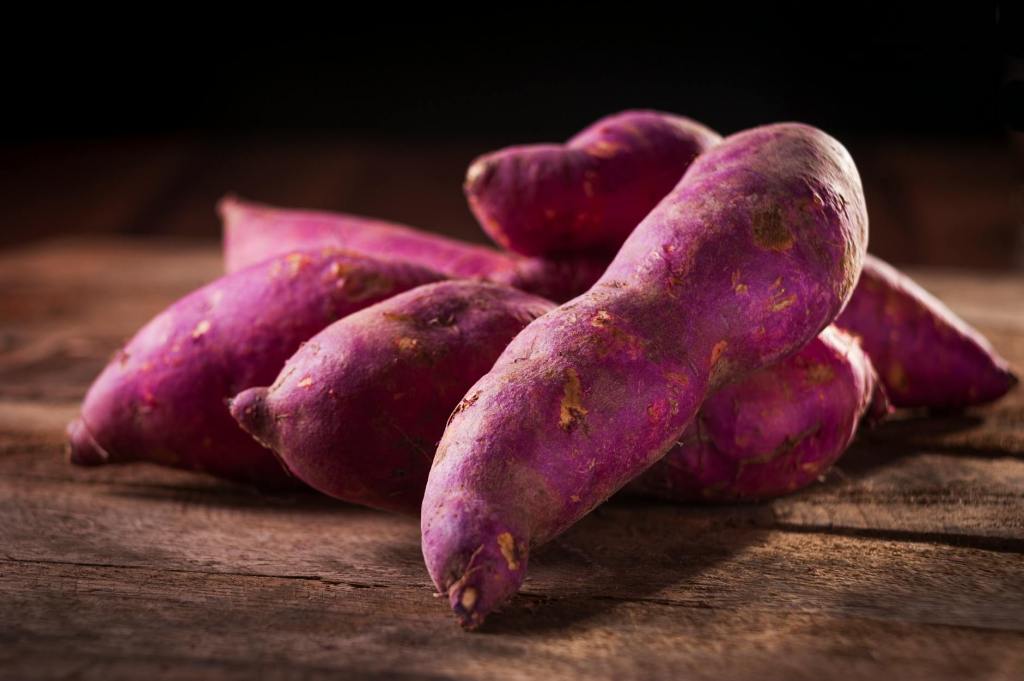
Alternatively, for maximum simplicity, try a sweet potato jacket with tuna. Potatoes are an essential component of mediterranean diets, both white and sweet varieties offer plenty of health benefit, yet sweet potatoes may be slightly more optimal for anti-inflammatory diets, as they have lower levels of resistant starch, and provide a slower release of energy than white potatoes, meaning there is less chance of blood sugar spikes that can cause inflammation. Not only this, but they are packed with vitamin C, A, beta-carotene, antioxidants and fibre. Tuna is also somewhat of an inflammation-fighting hero. Like salmon, sardines and mackerel, tuna is a prolific source of omega-3 fatty acids – namely EPA and DHA – which reduce inflammatory biomarkers like C-reactive protein, and supports heart, brain, and hormone health too. Greek yogurt adds additional protein and probiotics, and is significantly lower in saturated fat than mayonnaise. Its no secret that lemon juice is loaded with vitamin C, and both parsley and dill are considered anti-inflammatory herbs, containing potent flavonoids, such as apigenin, quercetin, and luteolin. Herbs and spices are your best friend when it comes to boosting the breadth of phytochemicals and antioxidants in your diet. They have been used in therapeutic remedies for hundreds of years, and also make it easy to add flavour to meals, without relying on excess salt.
Stab the spuds a few times with a fork, then cook in the microwave for ultimate efficiency – this should take around 18-20 minutes depending on their size. Meanwhile, mix together the tuna dill, parsley, lemon juice and greek yogurt, then when the potato is tender, pile it on top. Serve alongside a colourful side salad, and perhaps garnish with some pickled onions, capers, or seeds.
Peckish?
Believe it or not, you can snack and in accordance with anti-inflammatory guidelines, just not on crisps and ice cream. Hummus and carrot sticks offers a balance of fibre and healthy fats, or roasted chickpeas are fantastic if you’re craving crunch. A handful of berries, nuts or seeds is always a good shout, but if you find yourself with an overwhelming sweet tooth, then greek yogurt with cinnamon, dark chocolate and a little banana can be delightfully moreish.
Dinner time!
More is more when it comes to veggies and vitamins, so any meal which you can pack with a rainbow of natural produce is a winner. This salmon and vegetable traybake with quinoa can be adapted to include whatever vegetable you have on hand. Compared to white carbohydrates, quinoa offers protein and a vast array of additional nutrients, so will ensure you feel as satiated and nourished as possible.
Roughly chop broccoli, red onion, and butternut squash, then roast (at 180 degrees fan) with some mixed herbs and a couple of cloves of crushed garlic for around 20 minutes, drizzling with a little olive oil before you place them in the oven. Nestle your salmon fillets on top, then squeeze over some lemon juice, before continuing to cook for a further 15 to 20 minutes, or until the salmon is cooked through. Prepare the quinoa according to pack instructions, then serve with a dollop of greek yogurt or avocado, and a few sprigs of fresh dill, parsley or thyme.
For vegetarians, try swapping the salmon for chickpeas, and mixing up the herbs to include turmeric and chilli powder, for a more Indian style flavour profile.
If batch cooking is your style, there are few things better than a mixed bean chilli; its freezer friendly, and the measurements can be adapted to make two servings, or twenty! Beans are antioxidant powerhouses, and utilising multiple varieties helps to ensure you get the greatest range of nutritional benefits. For example, kidney beans often have more folate and Vitamin K, but black beans might have slightly more protein and fibre. Onions are a potent quercetin source, and contain sulphur compounds which modulate immune responses, and tinned tomatoes provide plenty of readily available lycopene. Bulking up the chilli with celery, peppers, courgettes and even sweetcorn makes it all the more economical, and healthful.
Using a little olive oil, soften onions, celery, peppers and courgettes in a large pan until the onions are lightly caramelised, then add garlic powder, cumin, paprika and a little chilli powder. Stir well for a couple of minutes until the spices are fragrant, then add your choice of beans and sweetcorn (adding some of the liquid from the cans too.) Pour in tinned tomatoes, then allow the mixture to simmer for at least 40 minutes, or longer if you like. For a final flourish, add a dash of lime juice, before decanting into containers, and serving, refrigerating or freezing.
Serve alongside any wholegrain rice or grain, or even some deliciously crusty fresh wholemeal bread, and garnish with some greek yogurt, avocado, and fresh coriander, the latter of which may have an application in easing Alzheimer’s symptoms.
The Bad Guys
The list of heroes and villains of in the inflammation world isn’t all that dissimilar to those that we were taught to embrace and avoid in primary school. Sugar sweetened foods, refined carbohydrates, artificial sweeteners and processed food high in saturated fats and sodium are all associated with triggering inflammatory responses.
Consumption of high amounts of sugar can activate the immune pathways which release inflammatory molecules, feed harmful gut bacteria and drive insulin resistance, which in turn may lead to increased fat storage. Not only this, but it can generate free radicals and cause stress hormones to spike, which is also linked to increased inflammation. Similarly, refined carbohydrates like white sliced bread and sugary cereals, as these contain minimal fibre and vitamins, yet leave one vulnerable to energy spikes and crashes.
Foods rich in saturated fats mimic the effect that intaking toxins has on the body, causing a defensive inflammatory response. As we know, fat is the most energy dense macronutrient, meaning when over-consumed, it can increase the likelihood that one will gain excess fat. Excess body fat secretes pro-inflammatory chemicals called cytokines, and interferes with the production of the hormone adiponectin, which moderates inflammation and insulin sensitivity.
Finally, alcohol – as it is literally a toxin – initiates the production of harmful compounds like acetaldehyde, cytokines and chemokines when it is metabolised. These can threaten the gut, liver and other organs, triggering and inflammatory response. Not only this, but alcohol can cause gastrointestinal symptoms which compromise the diversity of the gut microbiome, and can increase gut permeability, therefore allowing inflammatory chemicals to access the brain.
In summary, we should be aiming to keep bacon, salami and sweets to a minimum, yet it’s vital to remember, that just as one kale smoothie will not transform you into the picture of health, one burger and ice cream will not leave you doomed to a life of arthritis and cancer!
The low-down for sporty types
Amateur and professional athletes alike rely on their bodies being able to perform when they need them to, regardless of whether that be in pursuit of a medal, or just some endorphins. In order to recover, stay injury-free, and feel adequately energised, they require a balance of carbohydrates, proteins and fats, with enough calories to support their activity levels.
Physical training, particular when intense, inevitably leads to increased inflammation, and whilst this is pivotal to adaptation and increased fitness or strength, without enough rest and recovery it can become chronic. Consequently, there is all the more reason to incorporate foods with anti-inflammatory properties, and minimise consumption of those that could exacerbate it. Take Lina Nielsen, for example, who is an elite British 400m runner. Not only does she utilise on anti-inflammatory foods to maximise her recovery and support her training, but as an MS sufferer, she relies on it to manage her symptoms.
Despite the fact that keeping inflammation as low as possible will help accelerate recovery, reduce injury risk, and keep the immune system functioning at its best, many athletes find themselves resorting to heavily-processed, supplements, gels and protein mixes in order to get the fuel they need. This is a complex issue, as when pushed for time and cooking facilities, the priority becomes refuelling efficiently, rather than contemplating which ingredients will yield the most anti-inflammatory benefits. For example, endurance athletes like marathon runners and triathletes, rely on refined carbohydrates like white bread for rapidly digesting pre-training snacks, and will regularly consume gels or sweets during training to prevent lapses in energy. The aim is maximum energy and minimal gut issues, therefore a lack of fibre is often a conscious choice too.
Even outside the realm of competition, balancing regular training with a full-time job results in many people feeling like the day has far too few hours in it, this grabbing a protein shake or bar becomes a regular occurrence. What’s more, though these options may have limited fibre and vitamins, they may be a better choice than a depressingly flat fast-food burger, or a slightly stale coffee shop donut.
To complicate matters further, not all ‘grab-and-go’ options are created equal…
Without a doubt, certain brands of protein supplement are more processed, and contain more potentially inflammatory ingredients than others, and the impact of various types of protein (whey, soy etc.) will fluctuate between individuals.
Whatever your view on the ‘UPF’ debate, its worth taking a glance at the ingredients in your go-to shake or bar; if you can’t say the name of all the ingredients, or would never have them in your own cupboard, there’s a good chance it could have a pro-inflammatory effect on your body. Guar gum, for example, is regularly used as a thickener and emulsifier for protein powders, making them creamier and more soluble. Nevertheless, it is associated with some pretty unpleasant GI symptoms. Research has also implied that it may alter the gut microbiota, and increase susceptibility to inflammation, particularly in the colon.
In an effort to minimise sugar content, artificial sweeteners like sucralose are a common feature too, yet these can be equally detrimental to the wellbeing of the GI tract. Sucralose may damage the intestinal barrier (aka ‘leaky gut’), meaning toxins, bacteria and undigested food particles are able to enter the bloodstream. These are subsequently detected as ‘threats’ by the immune system, resulting in a widespread inflammatory response.
There was once a day when all protein powders were derived from whey, making them unsuitable for plant-based eaters, or those unable to eat dairy. Whilst it is still the most common blend, thanks to it being rapidly absorbed, and a complete protein (offering all nine essential amino acids), there are now ample vegan and non-vegan options, including soy, pea, beef and even egg white based products. If you are unable to digest dairy, due to natural deficiencies in lactase enzymes, for example, then whey protein will likely trigger an inflammatory response, yet for other individuals it may have no negative effect.
In general, however, plant-based proteins are considered more appropriate for anti-inflammatory diets, providing they do not contain excessive sweeteners, thickeners and additives, as they contain fibre and antioxidants. (Albeit this superior fibre content can trouble some IBS sufferers). Furthermore, its easy to see how a more ‘natural’ protein powder could play a valuable role in an anti-inflammatory diet, as a component in a fruit and veg packed smoothie, perhaps. Protein not only benefits athletic recovery, but amino acids are vital to the production of antibodies, and building tissues to repair the intestinal lining, thus high-protein and anti-inflammatory diets go hand in hand. By adding leafy greens, oats, a variety of fruits, seeds and potentially some ginger to a blender, along with a scoop of a powder that contains 20-30g per serving, could be an ideal snack or quick breakfast. The array of anti-inflammatory suitable protein powders on the market will depend on your location and budget as, unfortunately, ‘cleaner’ blends seem to come at a cost. Vilgain’s plant protein, for example, boasts just six ingredients, and is sweetened with stevia, which is widely considered an inflammation-safe sugar alternative, and capitalises on pea and brown rice protein. Neither is considered ‘complete’ on its own, but combining the two ensures a full essential amino acid profile.
For the most serious of competitive athletes, another consideration is whether a protein is ‘Informed Sport Certified’, as this ensures it complies with drug testing regulations. Veloforte is a good shout here, with their vegan blend being comprised of pea, rice, and pumpkin seed proteins, as is Ritual, though the latter are certainly at the higher end of the price range.
Put simply, for active individuals, following and anti-inflammatory diet could catapult performance and recovery to the next level, yet for endurance athletes for whom net calories is vital to sustaining energy levels throughout training, there may be a time and a place for sugar-packed snacks!
Out and About
Its fairly easy to imagine how one might follow an anti-inflammatory diet when cooking and eating at home. Yet between commutes, school runs, workouts and eight hour desk jobs, many of us struggle to prepare one meal in our own kitchen, never mind three!
Packed lunches have been around for a long time, and if you’re blessed with the time and motivation to prepare a nourishing ration pack to take to the office, then there are plenty of anti-inflammatory options that travel well.
Albeit a ham and cheese white roll with a packet of quavers probably won’t cut the mustard, simply swapping that soft fluffy bap for a wholemeal, rye or sourdough bread, and choosing a filling such as tuna and cucumber (mixed with Greek yogurt), or hummus, spinach and peppers, slashes the saturated fat content, and adds plenty of vitamins and omega-3s. For that crunchy snack, roasted nuts, seeds or chickpeas are a great choice, or some oat or seed-based crackers. You could even whip up a quick homemade dip from Greek yogurt, lemon juice and garlic powder. In general, the more fruits and veggies you can cram into your Tupperware, the better, so don’t shy away from whacking in a few extra cherry tomatoes or carrot sticks!
If you’re willing to put in a little more effort, roasted vegetables, cooked wholegrain rice or cous cous, and a salmon fillet or lean chicken breast (pre-cooked or roasted yourself), will make for a colourful lunchbox which will have your colleagues drooling in envy. What’s more, its fairly easy to roast a rainbow of vegetables on a Sunday that will keep you going until at least Wednesday. Once this base is ready, its gloriously easy to play around with the protein, whether you toss in chickpeas, lentil, tofu or even sardines.
Breakfast is similarly easy to adapt to be transportable; your hot porridge can become a fibre and omega-3 packed jar of overnight oats (see the recipe above), and even porridge pots that you just add water too count as an anti-inflammatory choice, providing they aren’t made with added sugar. You can always pimp them up with a blob of peanut butter, some seeds or fruit too. Alternatively, the internet has ample recipes for ‘egg muffins’ (think mini omelettes in a cupcake tin). Add chopped red pepper, mushrooms and spring onion, along with a healthy pinch of herbs and black pepper, or even some smoked salmon for more upmarket vibe, and more fatty acids.
Building anti-inflammatory meals becomes significantly easier when you don’t confine foods to their traditional meals. For example, there’s no reason why wholegrain rice, some spinach, cherry tomatoes, hummus and hard-boiled eggs couldn’t constitute a delightful breakfast box. Equally, cubes of roasted sweet potato, with cottage cheese, some olives and a side of berries could work equally well.
This being said, sometimes there are simply not enough hours in the day, and dining out is the only way to keep hunger at bay. Unfortunately, even in establishments that might have some suitable options on the menu, there are even more less optimal choices ready to seize our appetites. Delicious or not, that extortionately ham and cheese croissant and creamy whole milk latte from a certain bakery beginning with ‘G’, would amount to just over 40g of saturated fat – 20g more than the NHS recommends the average woman consumes in a day! It might not be so problematic if the pastry also contained a selection of polyphenols and antioxidants to counteract the inflammatory response. Unfortunately, it doesn’t.
In truth, its not all that surprising that layers of butter enriched dough, stuffed with red meat, cheese and béchamel sauce, could have a less-than-positive effect on health. This being said, you would assume a smoothie would be a fairly safe bet, yet this too depends on your pick of juice…
Joe and the Juice’s £7.90 Power Shake does undoubtedly provide some anti-inflammatory benefits; the banana offers potassium and bioactive compounds like trigonelline an isovanillic acid, and the strawberries are a superb source of anthocyanins and vitamin C. Nevertheless, the shake packs in a whopping 72g of sugar (more than in their chocolate muffin), which, even though it is ‘natural’, will cause rapid spikes in insulin, leading to inflammation over time. Furthermore, if you were to consume a whole banana, you’d benefit from around 3g of gut-friendly fibre, but the smoothie contains just 1g. This isn’t the case for all Joe’s beverages, but its worth keeping an eye out for deceptively ‘healthy’ options with hidden vices.
As somewhat of a British institution, M&S is ever-popular when seeking a convenient lunch on-the -go, with a little more éclat than a Tesco meal deal. Some of their classic butties have a reputation for being anything but ideal, boasting higher fat, salt and sugar percentages than many of their peers. Of late, however, they have expanded their range to include ‘gut-loving’ health shots, kefirs, and salads, which are much more appropriate for anyone trying to reduce their intake of pro-inflammatory ingredients. The sriracha salmon salad, for example, has recognisable ingredients including edamame, an impressive variety of seeds, and black rice to accompany flaked smoked salmon, and the ‘nutrient dense’ 35 plant salad is equally virtuous, sporting a breadth of antioxidants. M&S snacks have had an upgrade too, with products like a blueberry and walnut shot, and even a dark chocolate and almond bar offering that little ‘extra something’ we often need to feel satiated.
All this being said, at 255g, the aforementioned salmon salad isn’t all that hefty, but the £5.75 price is, especially considering the classic Tesco main, snack and drink combo comes in at £5.50. additionally, items marketed as ‘high-protein’ should be taken with a pinch of salt. The ‘high-protein naked chicken caesar salad’, offers the same amount of protein as the ‘normal’ one from Waitrose, yet costs a pound more. Similarly, the ‘high-protein green goddess wrap’, has less protein than Waitrose’s standard chicken and bacon butty. So, whilst protein isn’t the focus of anti-inflammatory, its worth being a little savvy around ambitious marketing claims.
In truth, rather than gravitating towards the newfangled products in M&S, it might be worth taking a DIY approach, and combining some of the less highly-publicised salad blends. Mixing the four bean salad, Super Green salad, a bag of mixed leaves and a poached salmon fillet, would create a much more substantial lunch. Not only this, but you’d gain 42g of protein, around 22g of fibre, ample omega-3s and a myriad of phytonutrients.
Just as iconic as M&S, is Pret, and anyone who works in the capital is rarely more than a few feet from one, making it a prime choice for grabbing a meal when time is of the essence. Despite a wholesome appearance, their Bircher Muesli Bowl combined with a Double Berry Muffin would account for a rather concerning 65g of sugar – more than two Mars bars. What’s more, the Three Cheese Sourdough Toastie oozes with 14.4g of saturates, so perhaps shouldn’t be a daily treat…
Nevertheless, there are plenty of menu items crammed with inflammation fighting properties. Preparing items fresh each day means minimal additives are required, and a focus on seasonality means ingredients, generally contain their highest levels of antioxidants, vitamins, and minerals. Unsurprisingly, their ‘super plates’ – colourful spreads of grains, greens and lean proteins – each offer around 12g of fibre, omega-3s from seeds, salmon, chickpeas and avocado, and anti-oxidants from vegetables like tender stem broccoli and butternut squash, all roasted in a tempting concoction of herbs and spices. The plates bridge the gap between salad and satiety, thanks to, black and brown rice and red and white quinoa.
As fibre-rich whole grains, they will all provide a sustained release of afternoon energy and nourish the gut biome, but red quinoa might just be the ultimate anti-inflammatory carb. Like its white cousin, it is a source of protein and fatty acids, but has a higher overall phenolic and flavonoid content, and its pigmentation means it contains betacyanins and betaxanthins (both protective against DNA damage), and quercetin and kaempferol, which stem the release of pro-inflammatory cytokines.
Pret’s menu excels in putting a spotlight on uncomplicated ingredients with snack options including boiled egg and spinach pots, plain dark chocolate, and whole, fresh fruits. Not only are most of their baguettes and sandwiches made on wholemeal bread, but there are numerous tuna and salmon options, meaning finding something rich in fatty acids is fairly easy.
Legumes and pulses (chickpeas, lentils, beans and the like) are another big feature of Pret’s offering. They’re iron rich, versatile and inexpensive, and recent studies have demonstrated they contain peptides, polyphenols and saponins; bioactive compounds thought to have antioxidant, antihypertensive and anti-inflammatory properties. To top it all off, they contain heaps of fibre that feeds the gut, reducing systemic inflammation. They’re far too often overlooked, but Pret include them in moreish hot items like their Mexican-Style Bean Hot Wrap, which sports chickpeas and black turtle beans in a kibbled rye wrap, with a hint of fresh coriander – in itself an inflammation fighter. On the soup front, the Rich Garam Masala Lentil Soup, demonstrates a pretty stellar use of legumes. Green lentils are combined with tomatoes, onions, carrots, potato, red pepper and spinach, along with a medley of herbs and spices, stacking it with more vitamins and minerals than you could count!
As we know, Dr Weil developed his anti-inflammatory protocols in line with Mediterranean and Asian cultural norms. As a result, Itsu – who’s tagline reads ‘eat beautiful’, have a menu teeming with wise choices, and detail the health benefits of each of their dishes on the website, making it easy to determine the quantity of ‘plant points’, fibre, and vitamins on offer. Itsu’s principles prioritise sustainable, high-quality ingredients, and they pride themselves on steaming (rather than frying), whilst keeping additives and preservatives to a minimum. Furthermore, with the exception of their sushi, all their rice is wholegrain, and their simple mean they steam all their food, rather than frying it, and predominantly use wholegrain rice as a base for the 14 varieties of vegetables, herbs and aromatics which give their food its distinctive freshness.
Unlike many other establishments, itsu have taken a proactive approach to minimising the level of processing in their foods, eradicating several types of artificial colours, sweeteners, flavour enhancers and preservatives completely. As a result, the menu is free from chemicals like MSG, which is considered a dietary trigger for chronic inflammation and oxidative stress. Instead, they create the savoury, umami flavour that we know and love using ingredients like yeast extract and paprika.
Not only are the B vitamins and omega-3s in the Thai Salmon Curry credited with nurturing a heathy brain, but they can help manage oxidative stress, and curb cytokine levels too. Alongside the miso poached fish, brown rice and a vibrant vegetable medley, is a creamy coconut sauce, which albeit is relatively high in saturated fats, contains plant compounds like ginger, lemongrass, cardamom, cumin and paprika, which bolster the antioxidant and polyphenol content of the meal.
Alternatively, the Veggie Balls Teriyaki ricebowl makes for a vegetarian-friendly choice. The balls themselves get their protein from brown rice, peas and soya beans. This creates a full amino acid profile, and brown rice protein is well-renowned for its digestibility. Overall, the dish contains over 21g of fibre, 22g of protein and 23 different types of plant, factors that all influence the health of the gut, immune system and contribute to keeping inflammation at a reasonable level. Plant proteins are also generally recognised as having a lower glycemic index than animal proteins, thus are less likely to cause blood sugar spikes, and provide a slower, more sustained release of energy, particularly when accompanied by so much fibre.
It must be noted, however, that the veggie balls contain carboxymethylcellulose – an emulsifier that itsu are working hard to remove, and which has been associated with increased inflammation in the gut.
One of the most abundant ingredients on itsu’s menu is miso – a fermented soy bean paste that is a staple flavouring in Japanese cuisine. It can be used to add a rich, umami depth to marinades, glazes, stews and sauces, or simply dissolved in water to make a broth-like soup. itsu’s own miso is sourced from a family-run business in the Nagano valley, where ‘koji’ is created by introducing the ‘Aspergillus oryzae’ fungus onto a grain (usually steamed white rice). This creates special enzymes, which are combined with soybeans, salt and water, to produce the miso paste. The strain of fungus used, along with the length of the fermentation process, effects the colour, taste and strength of the miso. (There’s a more detailed explanation of this on itsu’s website.)
Not only is miso’s manufacturing process somewhat fascinating, it is widely regarded as a superfood, and some believe it is the secret to Japan’s stellar life expectancy. As a fermented food, it helps to maintain a diverse gut biome (suppressing pro-inflammatory responses) and can promote the growth of probiotics. It may also help reduce gas and bloating, and boost the immune system, thanks to the variety of beneficial nutrients and plant compound it offers. The aforementioned fermentation process makes these nutrients more bioavailable, along with the isoflavones, phenolic acids, melanoidins, and Vitamin E it contains, which combat oxidative stress.
If you’re on the hunt for a warming snack which aligns with anti-inflammatory protocols, itsu’s miso soup selection might just be a good place to start; the broth is paired with tofu, which offers additional isoflavone, and wakame, a type of seaweed. In addition to formulating a gut-health powerhouse, the wakame contains chlorophyll (a potent antioxidant), folate, calcium, B12 and iodine, thus plays a role in metabolism and blood pressure regulation amongst other essential bodily functions. The ‘basic’ miso soup with tofu is vegan friendly, but for extra protein and a slightly more substantial broth, you can get it with chicken, king prawns, noodles or dumplings.
itsu even excel on the dessert front, with their chocolate edamame offering the sweetness and crunch we crave, paired an ideal blend of isoflavones, antioxidants, and omega-3 fatty acids that help lower inflammation markers like C-reactive protein. They also stock a selection of nuts, fruit and topped corn thins, all of which can be helpful when keeping a sweet tooth at bay.
Perhaps the most obvious outlet to get a rapid, inflammation-friendly lunch or dinner is a salad bar, and, thanks to our growing obsession with salads with substance, there are outlets offering bowls of grains, greens and goodness around every London corner, each with ample opportunity for personalisation. Founded in 2021, The Salad Project, who rely on fresh, seasonal ingredients, and chef-curated blends of textures and flavours to take veg to the next level.
Pre-set options such as the Mex on the Beach, which includes a spinach base, topped with corn, pickled onions and cucumber, fresh cucumber, chipotle chips, and avocado, with a protein of either tofu or chicken, would make for an easy 10-12g of fibre, and plenty of antioxidants, healthy fats, and vitamins. For maximum inflammation-fighting potential, however, creating a bowl from scratch might be the best way to go. Amidst a host of colourful veggies, and bases of red rice, kale, spinach and cos, there are a stars like roasted salmon and a wealth of pickles, which – like miso – can support gut health thanks to their probiotic nature.
Variety is a key pillar of anti-inflammatory diets, as the broader the spectrum of produce you consume, the greater the range of vitamins, minerals, and polyphenols you’ll be treating your body to. When these ingredients are spread out before us, ready to be scooped into recyclable bowls, it is considerably easier to pack in a mixture of veggies, grains and spices throughout the week. Yes, some people are skilled, organised and diligent enough to adorn their fridges with containers of salad components they’ve made themselves, many of us simply don’t have the time, energy, or breadth of spices in our store cupboard to create a spread as diverse as that of The Salad Project’s.
A base of spiced chickpeas, cos and kale would alone deliver 18g of fibre, some omega-3s, and antioxidants including a compound called sulforaphane, which has been shown to block inflammatory processes and potentially reduce cartilage damage. Then, piling on roasted sweet potatoes, broccoli and peas and pickled onions adds flavour, beta-carotene, vitamin C, A and quercetin, along with probiotics. The furikake seed mix is rich in soluble and insoluble fibre, fatty acids, selenium and vitamin E, and its possible to further combat free radicals with the addition of avocado. Each of the hot premiums on offer will elicit some kind of benefit. For example, the roasted salmon is likely to contain the most omega-3s, but the bold bean satay is packed with fibre.
Whilst its pretty hard to make a Salad Project bowl ‘unhealthy’, its worth adding the cheeses, nuts and dressings in moderation, as this will significantly elevate the saturated fat content of the dish. This being said, the balsamic vinegar is completely fat free, and you can always opt for the dressing on the side.
The Compromise
If we’re not dining out, there’s a good chance we’re looking for ways to make eating at home quicker and easier, whether that’s by utilising recipe boxes and meal kits, or glorified microwave meals that arrive, perfectly flavoured and formed, to our doorsteps. These days, there are companies targeting a host of niches, including high-protein meals aimed at athletes and fitness junkies, or nourishing recipes designed to get the whole family involved in cooking.
Its not all that surprising, therefore, that diving into google in pursuit of ‘anti-inflammatory meal prep’ brings up ‘Field Doctor’, who specialise in delivering prepared meals, with minimal ultra-processed ingredients, saturated fats, and sugar. Additionally, they claim to be the only organisation of their kind who use solely extra virgin olive oil, and can cater to a range of dietary preferences and medical conditions including IBS, pescatarian and PCOS-friendly meal plans.
Whether on a on-off, or a subscription basis, customers can choose from internationally inspired dishes like the chickpea masala curry, which boasts 16g of fibre, and is served with brown rice and red quinoa, a teriyaki salmon and wholegrain rice, and a sweet and sour chicken. The latter makes for a wonderful alternative to a takeaway,with its 30g of protein and 11 plant points.
Despite being delivered frozen, Field Doctor’s recipes do not share the extensive lists of somewhat alien ingredients typically found in supermarket ready meals. For example, compared to an M&S version, the fish pie offers 6g more fibre, 4g more protein, and 5.3g less saturated fat. Field Doctor add sweet potato to the mash, which means you gain more vitamin A and fibre, and the lower GI of the sweet potato results in a more stable increase in blood sugar than the standard spud, avoiding those inflammatory spikes. The béchamel sauce is made creamy thanks to white beans, so there is no need for the whole milk, butter and cream which are largely responsible for the high saturated fat content of your standard fish pie.
Not only this, but FD’s portion is bigger (394g rather than 270g), and is safe for coeliac disease sufferers, although a single serving is £5.49 more expensive than Marks’!
In truth, the ingredient list isn’t all that suspicious in the supermarket pie, yet Field Doctor’s take on the British classic certainly elicits more anti-inflammatory benefits. Furthermore, for many busy folk, being able to rely on a parcel of tasty, varied meals arriving on their doorstep, ready to be heated up in a matter of minutes, is worth far more than a few pounds. It eradicates decision fatigue, and any worry that their diet isn’t facilitating optimal longevity.
This being said, some people find they thrive in the kitchen, but do not enjoy coming up with recipes, planning meals, or trawling around supermarkets, hence why recipe boxes are another popular option for foodies wishing to bypass the ‘thinking’ and just cook. There are a few big names in the industry now, but Mindful Chef seems to have the greatest variety of anti-inflammatory appropriate options. Their weekly changing menu puts seasonal, sustainable ingredients at its heart, and aims to keep the time between field and fork to a minimum. In the first instance, this is likely to mean your food tastes fresher more flavourful, but when produce is harvested in season, and subjected to as little transport and processing as possible, it generally contains higher concentrations of nutrients, antioxidants, and bioactive compounds; our inflammation fighters.
Mindful Chef also avoid refined carbs – instead focusing on wholegrain, legumes and pulses – and have recipes influenced by a range of cuisines, therefore feature a breadth of herbs and spices, helping customers to increase the diversity of their micronutrient intake. Often, people are attract to meal kits because they help them get out of a recipe rut, providing inspiration and more exciting dinners, without requiring that they shell out on a myriad of niche seasonings that will never be used again. In reality, the benefit of branching out from your usual meal rotation is even more significant, as it fortifies your gut and immune system with all the nutrients it could possibly need.
The MC website allows you to choose up to five recipes – serving individuals, couples or a whole family – each week, and you could, of course, order a box for two people, and enjoy the second portion for lunch the next day if you like alone. All are purely made up of whole foods, and there are options suitable for vegan, vegetarian and pescatarian diets. As a B-corp, they take ethics and sustainability very seriously, operating on a carbon neutral basis, and striving to keep waste from packaging to a minimum. All their meat is British and free-range, and for every meal sold, they donate a meal to a child in need.
Though there is a little more labour involved in preparing the dishes than pre-cooked meals, many are designed to take between 20 and 40 minutes. The Hoisin Turkey Stir Fry, for example, contains seven different types of plants, 7.5g of fibre and an astonishing 46g of protein, yet can be on the table in 20 minutes. Turkey breast doesn’t contain the actively anti-inflammatory fatty acids that salmon or sardines do, but it is much lower in saturated fats than red meat, and is a source of vitamin B6 and selenium, which plays a major role in thyroid function and metabolism, as well as being a potent antioxidant.
If something a little more legume-based takes your fancy, then the Mushroom & Lentil Pie with Herby Mash & Balsamic Side Salad might be in your weekly order, which offers all 5 of your 5 a day. Portobello mushroom are chewy and packed with umami flavour, so are often used by vegans as a meat substitute. Unlike red meat, however, they contain almost no saturated fat, so make for great anti-inflammatory switch. Combining them with smaller, denser, chestnut mushrooms builds a distinctly ‘meaty’ texture, and opens up a wealth of compounds responsible for lowering pro-inflammatory markers, including beta-glucans, antioxidants and potassium. Nutritional yeast gives the pie a cheesy taste, along with a little fibre and a lot of niacin, which reduces inflammatory cytokines and vascular inflammation. Its a staple in vegan diets, thanks to its B12 content, as this is usually only found in animal foods, but is critical to maintaining a healthy metabolic system and stable energy levels. Its not just plant-eaters who will benefit from including this flaky substance in their diets, as it can be used to replace the savoury, umami flavour often provided by artificial substances like MSG, or heaps of salt, hence facilitating a reduced intake of pro-inflammatory foods.
If you’re not up to cooking, then a Charlie Bingham’s Shepherd’s pie ready meal might be rather appealing, with its attractive packaging and steep £6.50 price tag giving it an air of luxury. It does contain 3g more protein than the mushroom and lentil version, but also 5g more saturated fat. What’s more, the home cooked MC pie offers 24g of fibre, whereas Charlie’s has just 1.6g, so its clear to see which one is more suited to the anti-inflammatory lifestyle.
Mindful Chef’s prices vary based on the recipes you choose, but the most expensive meals can cost upwards of £15 per portion, so a five meal box for one could cost £75 + at full price. To put this into context, five dishes from Field Doctor would cost a maximum of £42.45 (and the cooking here is done for you). So, whilst your body may thank you for the whole food focus, your bank balance may not.
To Clarify…
I am not a qualified nutritionist, nor do I follow an anti-inflammatory diet. This being said – from what the research suggests – it probably would benefit my athletic recovery and overall energy levels if I started to gear my own eating habits towards more whole, unprocessed foods, and more unsaturated fats.
Regardless of whether you have a history of chronic illness, or have been advised to make curbing chronic inflammation a priority by a medical professional, building a diet around vegetables, legumes and antioxidants is unlikely to cause anyone harm. As with anything, taking an ‘all or nothing’ approach may be expensive, or inconvenient, particularly if you find yourself eating ‘on-the-go’ a lot of the time. However, providing you choose the right ingredients, like wholegrain carbs, fatty fish, and a rainbow of veg, its pretty easy and affordable to do from home.
So, whilst eating anti-inflammatory whilst out and about is possible, it might not always be practical.


 The Sprightly Spud
Leave a comment